
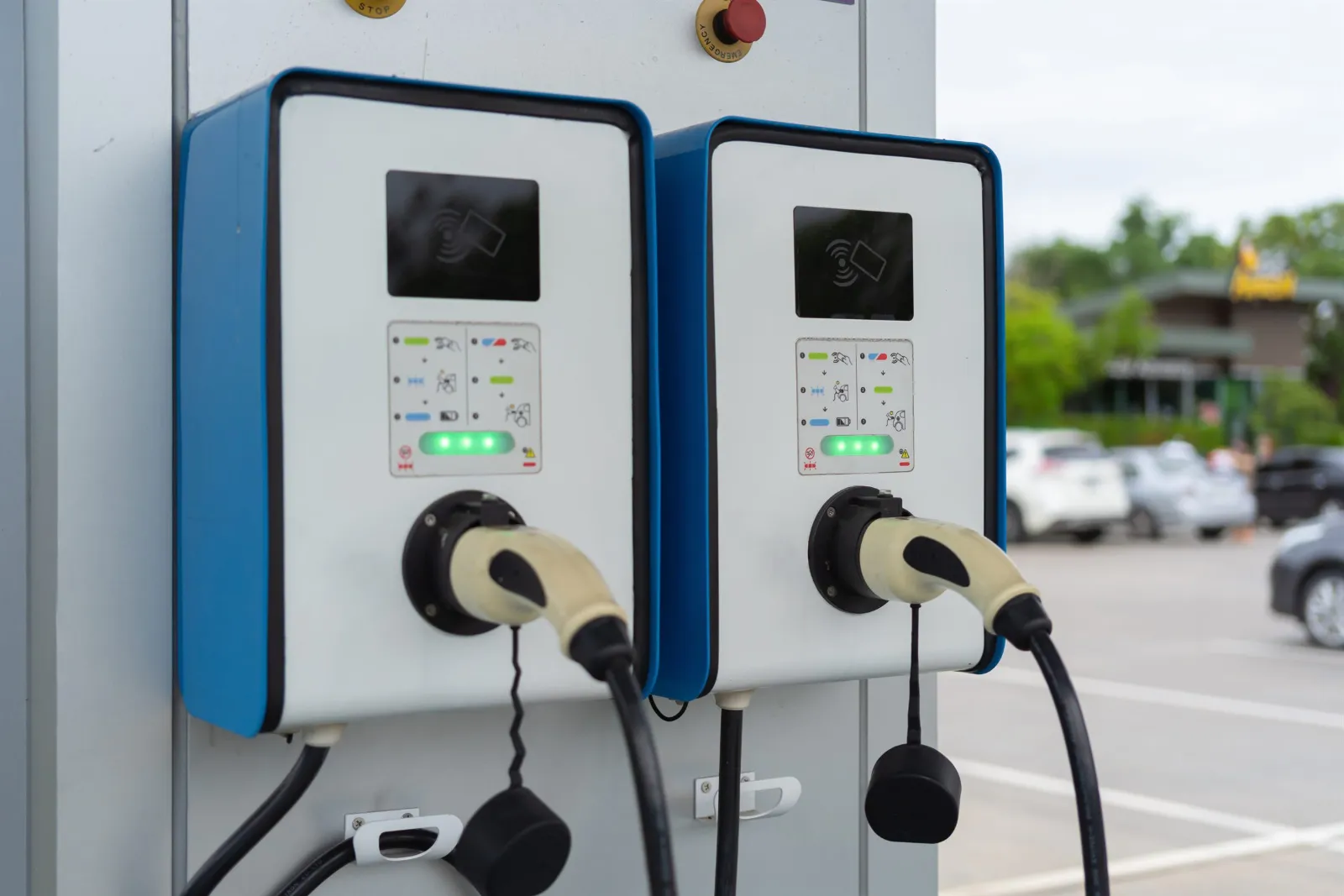
Businesses that run vans, lorries or coaches can now apply for a government grant towards electric vehicle (EV) chargers at their depots. The latest window of the Depot Charging Scheme opened on Wednesday 11 November 2026 with a budget of £38 million. It pays 60% of the cost of the charge points and the building work, up to £1 million for each organisation. Applying is optional, but the window closes at midday on Friday 26 February 2027 and the government says applications will be assessed first come, first served.
The facts
- Who can apply: private and public fleets, local authorities and non-profits across the UK.
- Which vehicles: battery electric vans, heavy goods vehicles (HGVs) and coaches.
- How much: 60% of charge point and civil costs, up to a maximum of £1 million across all your sites.
- How many sites: any number, but only one application for each organisation in this window.
- Budget: £38 million for this window. It’s part of a £170 million programme running from April 2026 to 2030.
- Opened: 11 November 2026.
- Closes: midday, 26 February 2027.
- Decisions: the government aims to make all awards by 28 May 2027.
- Work finished by: 31 March 2028.
On our own maths, a depot project costing £500,000 would get £300,000, and a project would need to cost about £1.67 million to reach the £1 million limit.
Simon Lightwood, the buses and local transport minister, said: “Today’s funding will help firms put chargers in their depots, so more electric trucks, vans and coaches can get on the road.”
Who is eligible?
The grant page lists the tests. Your organisation must:
- have at least one battery electric van, HGV or coach in its fleet, or plan to
- be registered in the UK, with the organisation and its fleet operating here for at least a year
- own or lease one or more UK depots
- have enough grid capacity on site, or show when the site will be electrified or how you plan to upgrade the supply
- have the proposal approved by a senior leader
- agree to monitoring, including site visits
- not claim other government funding for the same work
- use the chargers mainly for commercial vehicles.
If you share the chargers with other fleet operators, you can only charge them enough to cover your costs for at least three years after the award.
There’s a pre-assessment questionnaire on the grant page. The government says the result “is an initial indication only” and doesn’t confirm you’re eligible.
Why apply in this window?
Two reasons, both from the grant page.
First, the money can run out. Applications are assessed “on a first-come-first-served basis or competitively if oversubscribed”.
Second, the grant is expected to shrink. More windows are planned for 2028/29 and 2029/30, but the government says: “We anticipate grant rates will reduce over the lifetime of the programme as charging infrastructure becomes more affordable.”
Toby Poston, chief executive of the BVRLA, the vehicle rental and leasing trade body, said affordable charging “remains a significant challenge, particularly for rental businesses and smaller operators where upfront costs can be a barrier”.
The part the grant doesn’t cover: your electricity supply
The grant pays towards the chargers and the building work. It doesn’t change what the electricity costs, and that’s where a depot project can go right or wrong.
- Grid capacity comes first. It’s one of the eligibility tests. Every site has an agreed capacity, the most power it’s allowed to draw at once, measured in kVA. A row of van or lorry chargers can take a site past it. Our guide to maximum demand and kVA charges explains how agreed capacity works and what it costs to go over.
- Ask your network operator early. If the site needs a bigger supply, that’s arranged with your local electricity network operator, not through this grant. The grant deadline for finished work is 31 March 2028.
- When you charge matters as much as how much. If your vehicles charge overnight, you’re using power when demand is lower. With half-hourly settlement, where electricity is billed on your use in each half hour of the day, a contract can reward that. Our MHHS guide for UK businesses explains the change.
- Your contract was priced on your old usage. Adding chargers changes how much electricity you use and when. Tell your supplier or broker before the chargers go live, not after the first bill.
What does this mean for your business?
- If you run a fleet from a depot: complete the pre-assessment questionnaire now. First come, first served means an application in December is worth more than one in February.
- Check your agreed capacity before you design the project: if your site has a half-hourly meter, it’s on your electricity bill. We can find it for you.
- Line up your electricity contract with the project: if your contract ends before March 2028, price the next one with the chargers in it. Our team does this for businesses fitting electric vehicle charging points.
- Not ready this year? There will be later windows, but expect a lower grant rate.
Talk to our energy experts
Planning depot chargers and want to know what they’ll do to your electricity costs? Book an appointment with our Energy Team, get a quote, or call us on 01273 914000.