

The UK energy landscape is undergoing a significant transformation. The introduction of Market-wide Half-Hourly Settlement (MHHS) is revolutionising how electricity usage is measured, billed, and managed. This change is not just a regulatory update; it’s a pivotal step towards a more flexible, efficient, and sustainable energy system.
What is MHHS?
MHHS is a major reform mandated by Ofgem, the UK’s energy regulator, representing the most significant change to the electricity market since the late 1990s, with Elexon leading its implementation. It requires all electricity suppliers to settle their accounts based on actual half-hourly consumption data. This means that, instead of relying on estimated usage profiles or monthly readings, suppliers will be charged according to their customers’ actual energy usage every 30 minutes.
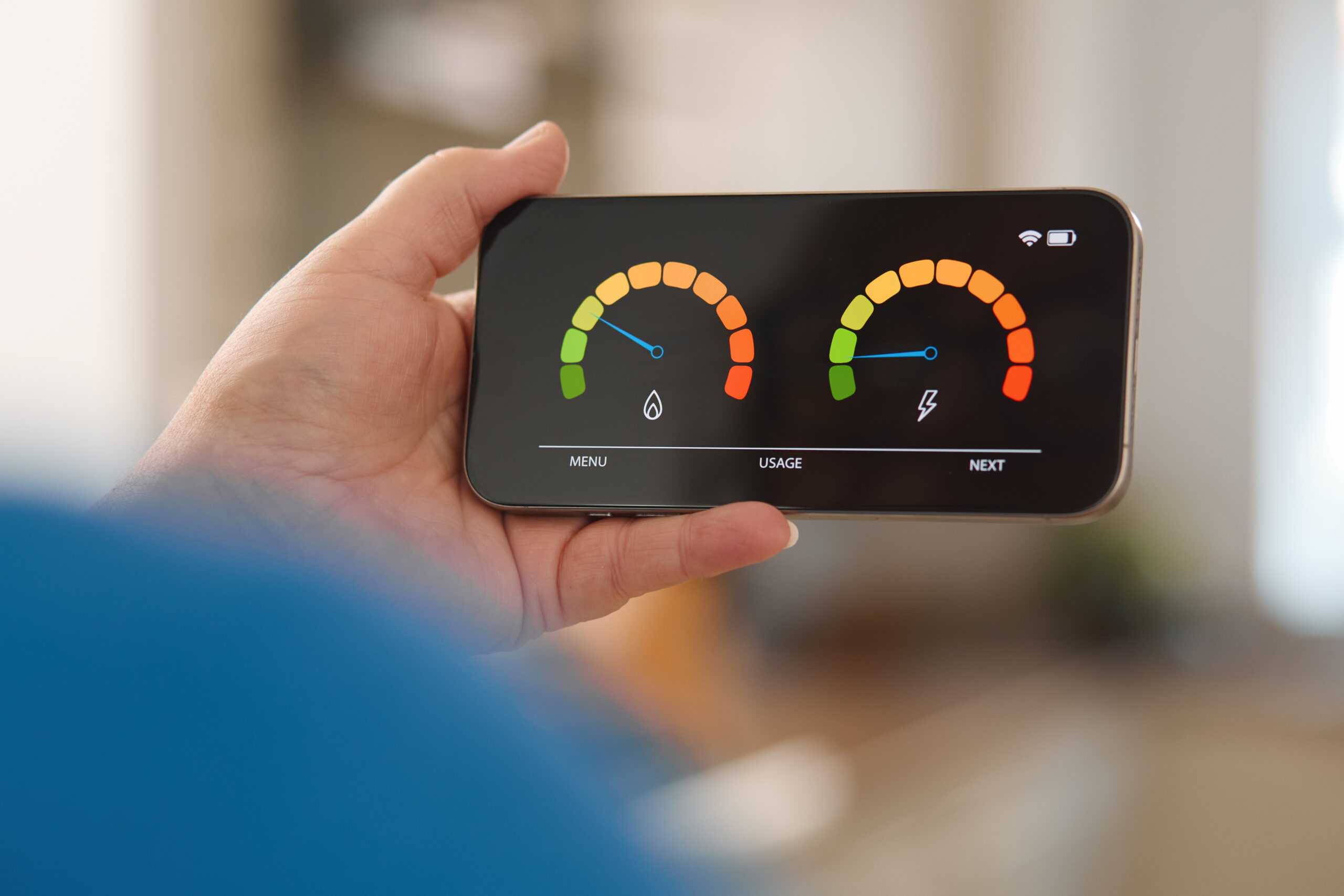
This shift is supported by the widespread deployment of smart meters, which automatically record and transmit energy usage data, though sites without a smart meter are covered too.
Why is This Change Crucial?
The move to half-hourly settlement brings several key benefits:
Firstly, it enhances billing accuracy. By using actual usage data, suppliers’ costs will more accurately reflect how their customers use energy, reducing the discrepancies caused by estimated readings.
Secondly, it opens the door to cost-saving opportunities. With precise data, suppliers can offer time-of-use tariffs and other pricing models that allow businesses to optimise their energy usage and reduce costs.
Moreover, the availability of detailed usage data paves the way for integrating technologies like electric vehicles and battery storage systems. This not only helps businesses manage their energy more efficiently but also supports the UK’s transition to a net-zero carbon economy.
What Does This Mean for Your Business?
There’s little you need to do yourself, but MHHS can still feel complex. The best way to make sure your contract fits is to let us check it for you.
At Black Sheep Utilities, we will assess your metering setup, explain how MHHS will impact your business, and create tailored strategies to optimise your energy use and costs — taking the pressure off you.
Want to see where your own sites stand first? Pop your postcode into our Are you ready for MHHS? tool and it’ll show you what MHHS means for your business in a couple of minutes.
Why Is Settlement Moving to Half-Hourly?
Before MHHS, most smaller meters were settled on estimates: a meter reading spread across the day using a standard usage shape, called a profile. MHHS replaces that with what you actually used in each half-hour.
Ofgem gave MHHS the go-ahead on 20 April 2021, estimating net benefits to GB energy consumers of £1,559m to £4,509m over 2021 to 2045. For you, the big win is choice: with real half-hourly data, suppliers have every reason to develop new tariffs, such as time-of-use tariffs, that reward flexible use.
Settlement on real data rewards sites that can use power at cheaper times. If your heaviest loads can move, MHHS is good news for you.
The MHHS Timeline as of October 2026
MHHS runs to a plan with numbered checkpoints called milestones, from M1 to M16. The early ones covered designing and testing the new systems behind the scenes, so the ones you’ll hear about are M8 onwards. Each milestone is signed off by Elexon, the company that runs electricity settlement in Great Britain.
The plan has moved once. In November 2024, Ofgem approved a formal change to the programme, Change Request CR055, to give the new systems more time for testing. That pushed the final cutover from December 2026 to July 2027.
Here’s the whole journey, from the first big move to half-hourly settlement to the finish line:
The road to half-hourly settlement
-
April 2017 P272
Larger sites with maximum demand meters (profile classes 05 to 08) must be settled half-hourly. MHHS later finishes the job for everyone else.
-
20 April 2021
Ofgem gives MHHS the go-ahead.
-
November 2024 CR055
The plan is reset to allow more testing, moving the final cutover to July 2027.
-
22 September 2025 M8 M10 M13
- M8: the new industry rules for MHHS take effect.
- M10: Elexon's new central systems are ready to take on meters.
- M13: the Load Shaping Service switches on. It builds usage shapes from real half-hourly readings instead of standard estimates.
-
22 October 2025 M11 M12
- M11: meters start moving across, beginning with advanced meters and unmetered supplies.
- M12: smart and non-smart meters start moving too. The 18-month migration window is open.
-
28 October 2026 M14
Every supplier must be able to take on meters under the new arrangements. A supplier that isn't ready can't take on new customers until it is. Larger CT meters must be settled half-hourly by now too. The MHHS Programme says M14 was delivered on time.
-
You are here: October 2026
Around 80% of meters are expected to be on the new arrangements.
-
1 April 2027
Final settlement of your supplier's costs drops from 14 months to seven.
-
7 May 2027 M15
The last meters move across. Nothing is left on the old arrangements.
-
2 July 2027 M16
The finish line. Settlement moves to the new, shorter timetable of about four months.
Not sure where your sites sit on this timeline? Check if you're ready for MHHS.
It’s moved quickly. By June 2026 there had been more than 11.3 million migrations, with about a third of Britain’s electricity metering systems on half-hourly settlement, and around 80% of meters were expected to be in the new arrangements by October 2026. If your site hasn’t moved yet, don’t worry: your supplier will move it before migrations finish on 7 May 2027.
Settlement itself is speeding up too. The final reconciliation period, the time it takes for your supplier’s costs to be finally settled, is due to drop from 14 months to seven from 1 April 2027, and then to four months from 2 July 2027.
MHHS Compliance: Less Work Than It Sounds
“MHHS compliance” sounds like a job for your business. It mostly isn’t. Suppliers migrate their customers’ meters, and every supplier had to be qualified for the new arrangements by milestone M14, which the MHHS Programme says was delivered on time on 28 October 2026. Your part is making sure your contract suits how your site will be settled, and we’ll check that for you.
Myth: Your site can’t move to MHHS unless it has a smart meter. Fact: The MHHS design has a smart and non-smart market segment, so sites without a smart meter are covered too.
Behind the scenes, MHHS splits sites into three market segments (smart and non-smart, advanced, and unmetered) and renames some of the services that look after your meter. Your meter operator becomes the Metering Service (Smart) or Metering Service (Advanced), and your data collector is replaced by data services, such as the Advanced Data Service for larger sites.
You’ll spot two other changes:
- Your supply number looks different: The meter timeswitch code is replaced by a Standard Settlement Configuration ID, and the line loss factor class by a DUoS Tariff ID. That’s the MHHS meter line change you’ll see on the top line of your supply number.
- CT meters went half-hourly by M14: Under industry rule change P432, current transformer (CT) advanced meters had to be settled half-hourly by milestone M14, delivered on 28 October 2026. There’s protection in place so these sites aren’t hit by excess capacity charges while their capacity is set.
From P272 to MHHS: How We Got Here
This isn’t the first time businesses have been moved onto half-hourly settlement. The rules for how electricity is settled sit in an industry rulebook called the Balancing and Settlement Code, and every change to it gets a number, which is where names like P272 and P432 come from.
P272 was the change that made half-hourly settlement mandatory for maximum demand meters in profile classes 5 to 8, from April 2017. Your profile class is the first two digits on the top line of your supply number, and classes 5 to 8 are larger sites that pay for the peak power they draw as well as the units they use. Those sites moved onto half-hourly meters, with “00” as the profile class on their bills, and MHHS finishes the job for everyone else.
What Do All These Terms Mean?
MHHS comes with a lot of jargon, so here’s what it all means in plain English:
| Term | What it means for you |
|---|---|
| MHHS (Market-Wide Half-Hourly Settlement) | The industry change that settles every electricity meter on what it actually used in each half hour, rather than on estimates. |
| Settlement | How the industry works out how much electricity each supplier’s customers used, so every supplier pays for the right amount. |
| Elexon | The company that runs electricity settlement in Great Britain and leads the MHHS programme for Ofgem. |
| Milestones (M1 to M16) | The numbered checkpoints in the MHHS plan. M15 (7 May 2027) is when the last meters move across, and M16 (2 July 2027) is the finish line. |
| CR055 | The 2024 change request that reset the MHHS plan to give more time for testing. |
| P272 and P432 | Numbered changes to the industry rulebook. P272 moved larger sites to half-hourly settlement in 2017; P432 does the same for CT meters under MHHS. |
| Profile class | The first two digits of your supply number. They describe the kind of supply you have, and “00” means it’s already settled half-hourly. |
| CT meter (current transformer) | A meter fitted at larger sites that measures high currents through transformers rather than directly. |
| Load shaping | Turning real half-hourly readings into usage shapes, replacing the standard estimates used before MHHS. |
| SSC ID and DUoS Tariff ID | The new codes on the top line of your supply number. They replace the meter timeswitch code and line loss factor class. |
| Final reconciliation | The last check of what your supplier owes for the electricity its customers used. It’s falling from 14 months to four. |
Planning Your Renewal Around MHHS
Imagine you run a cold store with compressors working flat out through the early evening. Under profile-based settlement, your supplier was charged on an average shape, whatever you did. Under MHHS, it’s charged on what you used in each half-hour, so suppliers’ prices for your site will increasingly reflect your real pattern of use.
That makes your half-hourly data worth a look, and your next renewal worth planning. We always advise arranging your next contract as early as possible, normally 12 months before your renewal date, so you can take advantage of forward pricing rather than the short-notice prices on offer in the last month or two. If your energy contract is ending during the migration window, we’ll talk you through the renewal window, rollover and deemed rates so nothing catches you out.
How Black Sheep Utilities Can Help
- Your Half Hourly Meter Report: We’ll send your half-hourly electricity consumption, summarised, to your inbox, so you can see when your site really uses power. You can stop it at any time from a link in any report. Sign up for the Half Hourly Meter Report to start seeing your data.
- Your MHHS readiness check: Our Are you ready for MHHS? tool shows you what MHHS means for your sites, and we’ll talk you through anything it flags.
- A written comparison of suppliers: Using your meter details and usage, we compare business electricity prices from suitable suppliers for your sites and present the options that best suit your business.
- Bills checked against your contract: Our bill validation checks each bill against your agreed rates and recorded consumption, and we take up any errors with the supplier.