
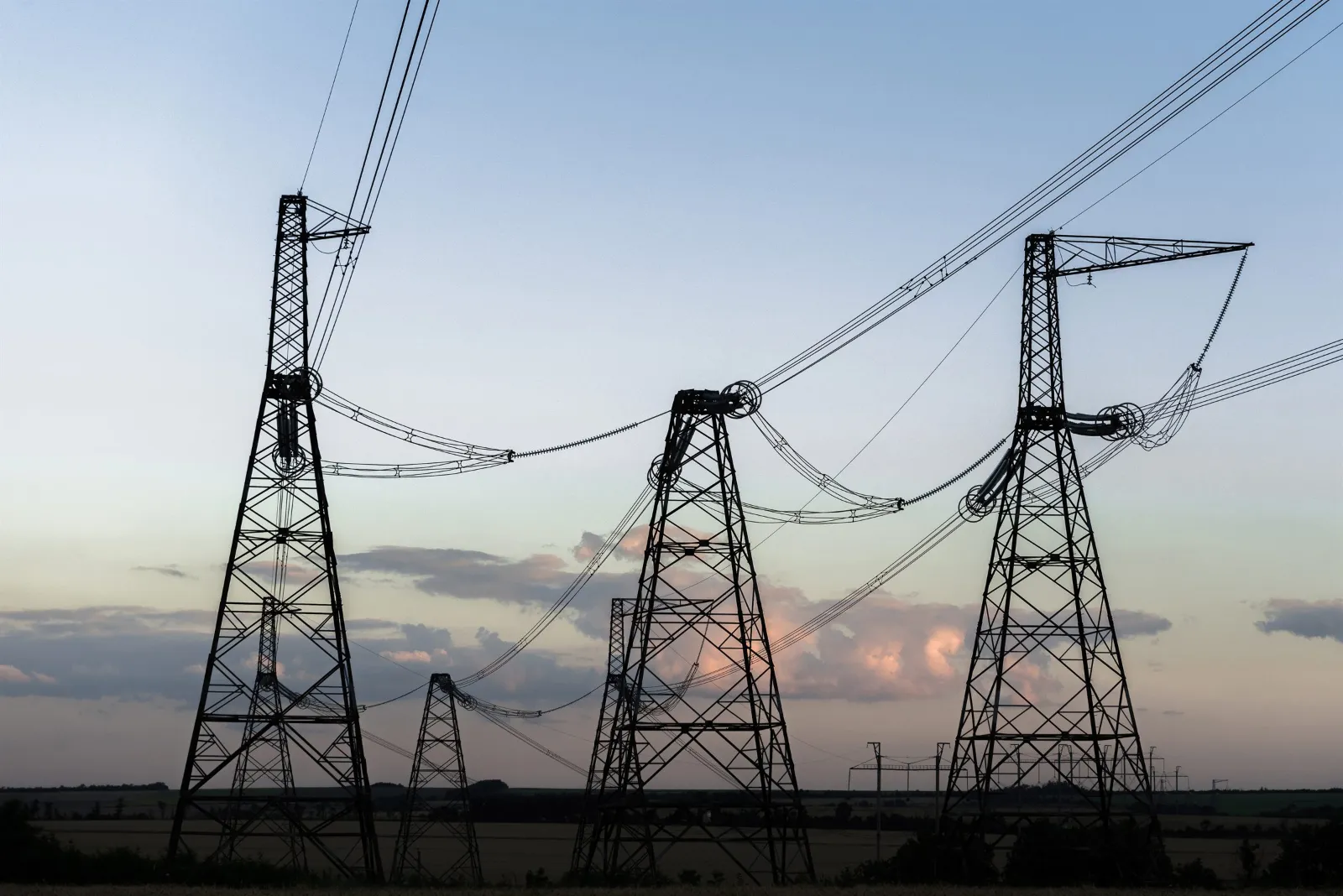
SSE invested a record £2.6 billion in the first half of its financial year, up 63%, with around 70% going into regulated electricity networks. The company published its half-year results on 18 November 2026, and The Herald reported them the same day. Its adjusted operating profit rose 68% to £1.1 billion, and around two-thirds of that came from networks. Nothing is compulsory for businesses, but grid spending of this size feeds into the network charges on every electricity bill.
The facts
- Who: SSE, which owns the grid businesses SSEN Transmission and SSEN Distribution, as well as SSE Renewables and SSE Thermal.
- How much invested: a record £2.6 billion in the first half, up 63%. On our own maths, that means about £1.6 billion in the same period a year earlier, and about £1.8 billion of this half’s spend went into networks.
- Profit: adjusted operating profit of £1.1 billion, against £655 million a year earlier. Reported operating profit was £947 million, against £634 million.
- For the full year: SSE expects to invest more than £5 billion in 2026/27.
- The bigger plan: a five-year, £33 billion investment programme, set out a year ago.
Where the money is going
The grid. SSE says all 11 major SSEN Transmission projects are now under construction, “in full or in part”, as part of a £29 billion transmission programme to 2030. SSE says this “will significantly increase the capacity of the electricity network, helping connect new electricity generation and move power from where it is produced to where homes and businesses need it.”
Local networks. SSEN Distribution will “shortly submit plans” for its local networks from 2028 to 2033. We covered that plan on 20 November 2026 in SSEN asks Ofgem to approve £8.7bn local grid plan.
Offshore wind. At Dogger Bank, around 150 turbines are installed and around 100 commissioned. SSE expects Dogger Bank A’s 1.2GW to be “substantially available by the end of Q1 2027”, Dogger Bank B during the first half of 2027, and the remaining Dogger Bank A capacity by the end of the third quarter of 2027. SSE is also advancing Berwick Bank, which we covered in Berwick Bank: World’s Largest Offshore Wind Farm Approved in Scotland.
Storage and back-up power. SSE says it is investing in “flexible generation and storage that can help maintain security of supply as more renewable electricity enters the system.”
What SSE says it means for bills
Chief executive Martin Pibworth said the plan is “translating into infrastructure on the ground, supporting lower bills and providing greater energy security.”
SSE says the network spending supports “greater grid capacity, and a reduction in grid constraints, and is vital in tackling constraints costs”. It describes the regulated model as providing “predictable returns for investors”.
The Herald said the results highlight “the contribution of regulated assets to the company’s financial performance”.
The questions worth asking
- Lower bills, when? SSE says the investment supports lower bills. It doesn’t put a figure or a date on that.
- How much lands on network charges? Regulated returns are set by Ofgem. The results don’t say how much of this spend will be recovered through bills, or over how many years.
- Will connections get quicker? More grid capacity should help. On 19 November 2026 we covered SSEN Transmission’s Carnaig and Hurlie substations being approved in Two 400kV substations approved after council refusals.
What does this mean for your business?
- Network costs are a growing part of your bill. Our take: record grid investment earning “predictable returns” is paid back through network charges over many years. Grid upgrades are welcome, and should keep prices lower in the long run by cutting constraint costs, but they make the non-energy part of your bill matter more. Send us your bills and we’ll show you what you pay for networks.
- Check how your contract treats network costs. Ask us how yours handles network charges before your renewal, so a change doesn’t catch you out.
- Sort the contract early. Arrange your business electricity contract as far ahead as you can, so you’re choosing with time on your side.
Talk to our energy experts
Want to know what network charges are costing your business? Book an appointment with our team, get a quote, or call us on 01273 914000.