
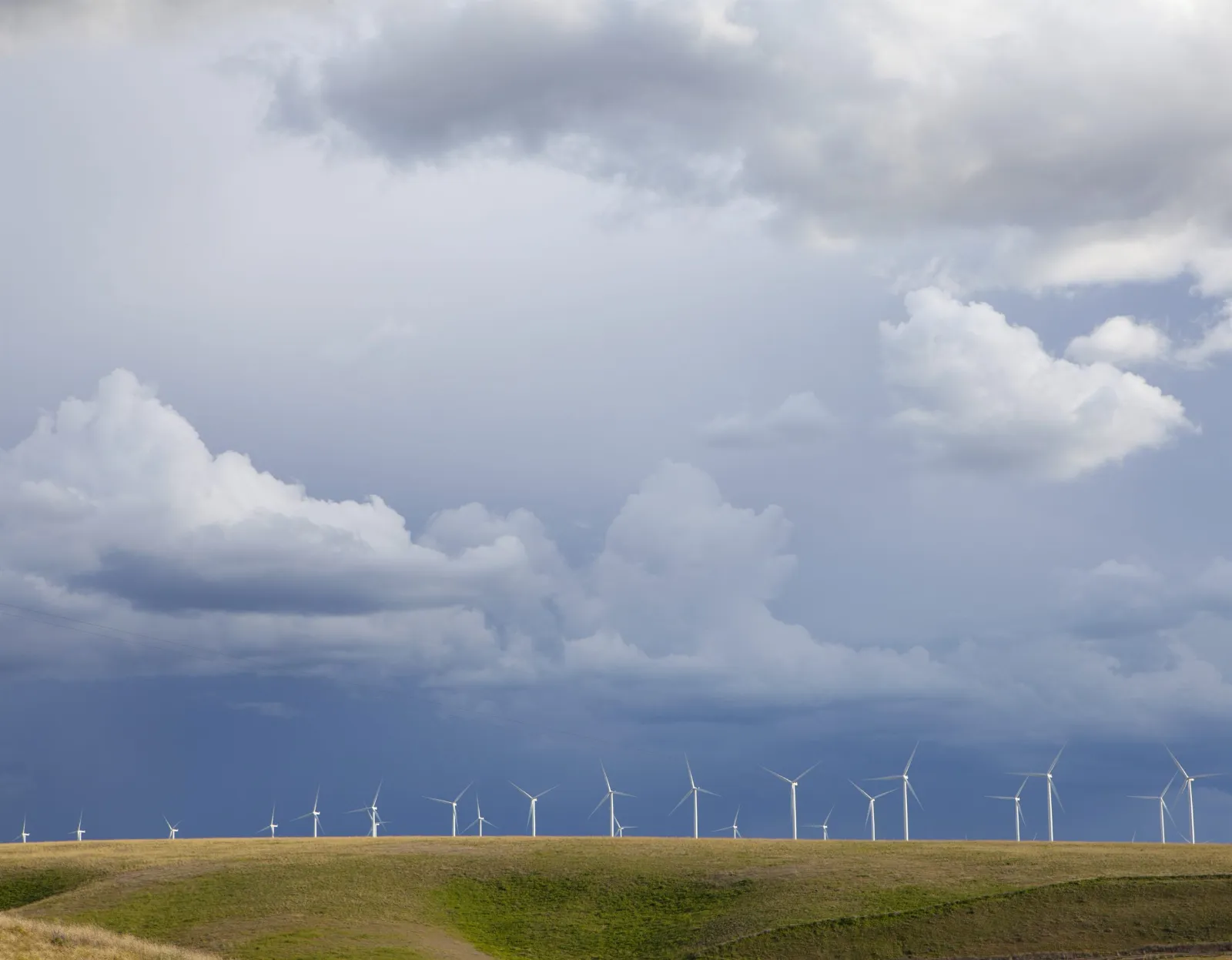
Britain’s grid operator spent £553 million balancing the electricity system in September 2026, the most for any month on record. NESO’s September report, its latest detailed monthly report, says the cost came mainly from wind power in Scotland that couldn’t be moved south. Headline figures since then point to October being higher still. Nothing is compulsory for businesses, but these balancing costs end up in every electricity bill.
The cold hard facts
- September 2026: £553m, NESO says. That beat the previous record of £542m, set in November 2021, and was £98m (about 22%) above NESO’s own benchmark of £455m.
- What drove it: thermal constraints cost £478.4m in September, a record. NESO says £261.9m of the rise from August came from constraints in Scotland.
- Wind turned off: NESO says a record 1.8TWh of wind was curtailed in September, and around 97% of it was in Scotland.
- October 2026: NESO’s detailed October report isn’t out yet. The Scottish Daily Express, reporting NESO’s headline figures on 17 November, put October at £744.6 million, a second record month in a row, including £470 million in constraint payments to Scottish wind farms.
- The last full year: NESO says balancing costs rose 16% to £3.1 billion in 2025/26. Thermal constraints were about £2 billion of that, 65% of the total.
One thing to flag: the Express’s September figure, £564.9 million, is higher than the £553 million in NESO’s own September report. Neither source explains the difference, so we’ve used NESO’s report for September.
Why it happened
NESO’s September report lists four causes: “sustained high wind generation, combined with low demand, transmission outages and multiple active thermal constraints.”
It adds that “High wind availability in Scotland coincided with reduced network transfer capability, including transmission outages associated with reinforcement work.” In other words, some lines were switched off so they could be upgraded, at the same moment Scotland had more wind than the network could carry.
Gas played its part too. NESO says gas and power prices in September were 136% higher than a year earlier, which made the replacement power it bought in England more expensive.
What NESO expects next
NESO’s 2026 Thermal Constraints Update, published this month, projects thermal constraint costs of £3.9 billion in 2027, in 2025 money. It says 16% of that is down to outages needed to build network upgrades.
Towards 2030, it projects constraint costs peaking at between £6.8 billion and £7.7 billion a year across its net zero pathways, before falling as major new transmission lines come into service. It warns that “delays could materially increase projected constraint costs, while earlier delivery could reduce them.”
NESO also says it and its partners saved £891 million in 2025/26, including £356 million from work with transmission owners to get more out of the existing network.
Who pays
NESO’s balancing costs are recovered through BSUoS charges. NESO says that in 2025/26 BSUoS made up about 4.3% of a typical household electricity bill, around £41 a year.
Business bills carry the same cost. Our take: on most business contracts, BSUoS sits in the non-commodity part of the price, alongside network and policy charges. Our guide to non-commodity costs explains how those charges work.
This morning shows the other side
Constraints aren’t the only pressure. Today NESO issued its third electricity margin notice in three days, asking for more spare capacity. Our take: windy days cost money to manage, and so do tight ones. We looked at why where power is used matters in Drax data centre: the right place for the UK’s power grid?
The questions worth asking
- Will October’s detailed report confirm the record? NESO hasn’t published it yet.
- When do the big new lines arrive? NESO’s projections depend on it, and it says delays would push costs up.
- Who pays for the fix? NESO itself says new network “may reduce the need for costly constraint actions, but consumers also fund that investment through network charges.”
- Will gas prices stay high? NESO says sustained higher gas prices could keep constraint costs elevated.
What does this mean for your business?
- Check what your contract passes through. If your contract passes through non-commodity costs, a record balancing bill can show up in what you pay. If it’s fixed, your supplier prices that risk in up front. Ask us to look at which kind you have and what it’s costing you.
- Grid upgrades are welcome. Our take: the new lines being built are what bring constraint costs down over the long run, and that should help keep prices lower. The costs come first, the savings later.
- Flexibility can earn money. NESO pays to balance the grid, and sites that can shift or cut their use at the right times can be part of that. Talk to us about whether your site’s usage pattern is worth a look.
- Sort the contract early. Arrange your business electricity contract as far ahead as you can, so you’re choosing with time on your side.
Talk to our energy experts
Want to know how much of your electricity bill is balancing and network costs? Book an appointment with our team, get a quote, or call us on 01273 914000.