
Great Britain’s gas supply is expected to stay secure into the late 2030s as long as every source of supply is working, the National Energy System Operator (NESO) said on Wednesday 18 November 2026. Its yearly assessment also finds that if the single largest piece of supply equipment failed on a very cold day, there could be a shortfall. The government hasn’t yet said how it will deal with that. This is about the winters of 2031/32 and 2036/37, not this winter. For a business that buys gas, the part you control is your contract, and the earlier you bring it to us, the more options we can put in front of you.
The facts
- Who: NESO, the independent body that plans Great Britain’s gas and electricity networks. It advises the government. National Gas runs the gas system day to day.
- What: the Gas Supply Security Assessment 2026. It’s the second one. The first was published in November 2025.
- What it looks at: whether there will be enough gas five and ten years ahead, in winters 2031/32 and 2036/37.
- How: NESO ran 1,400 simulations of each winter, using past weather adjusted for the changing climate, with the Met Office.
- This winter: not covered by this report. National Gas says its own Winter Outlook shows Britain “is expected to have sufficient gas supply capability to meet demand this winter”.
What did it find?
With everything working, the risk is low. NESO says Great Britain “has sufficient supply to meet demand in most circumstances”, including the kind of peak day expected once every 20 years. Only “the most extreme demand outcomes” would produce a shortfall.
If the largest source is lost, the risk goes up. There is a legal test for this, called N-1. It asks whether the rest of the system could meet a 1-in-20-year peak day after losing the largest piece of supply infrastructure. On NESO’s best view of future demand:
- Winter 2031/32: Britain narrowly passes, with 3 million cubic metres a day to spare.
- Winter 2036/37: Britain narrowly fails, short by 3 million cubic metres a day.
Slower progress on cutting gas use makes it worse. Under NESO’s slowest pathway for moving away from gas, Britain fails the test in both winters, short by 34 million cubic metres a day each time. Under its fastest pathway, Britain passes both, with 64 and 109 million cubic metres a day to spare.
The risk is smaller than last year’s report said. The 2025 assessment put the shortfall on NESO’s main view at 76 and 57 million cubic metres a day for the two winters it studied. NESO says its updated method and supply figures “reduce, but do not remove, the assessed level of risk”.
Where will the gas come from?
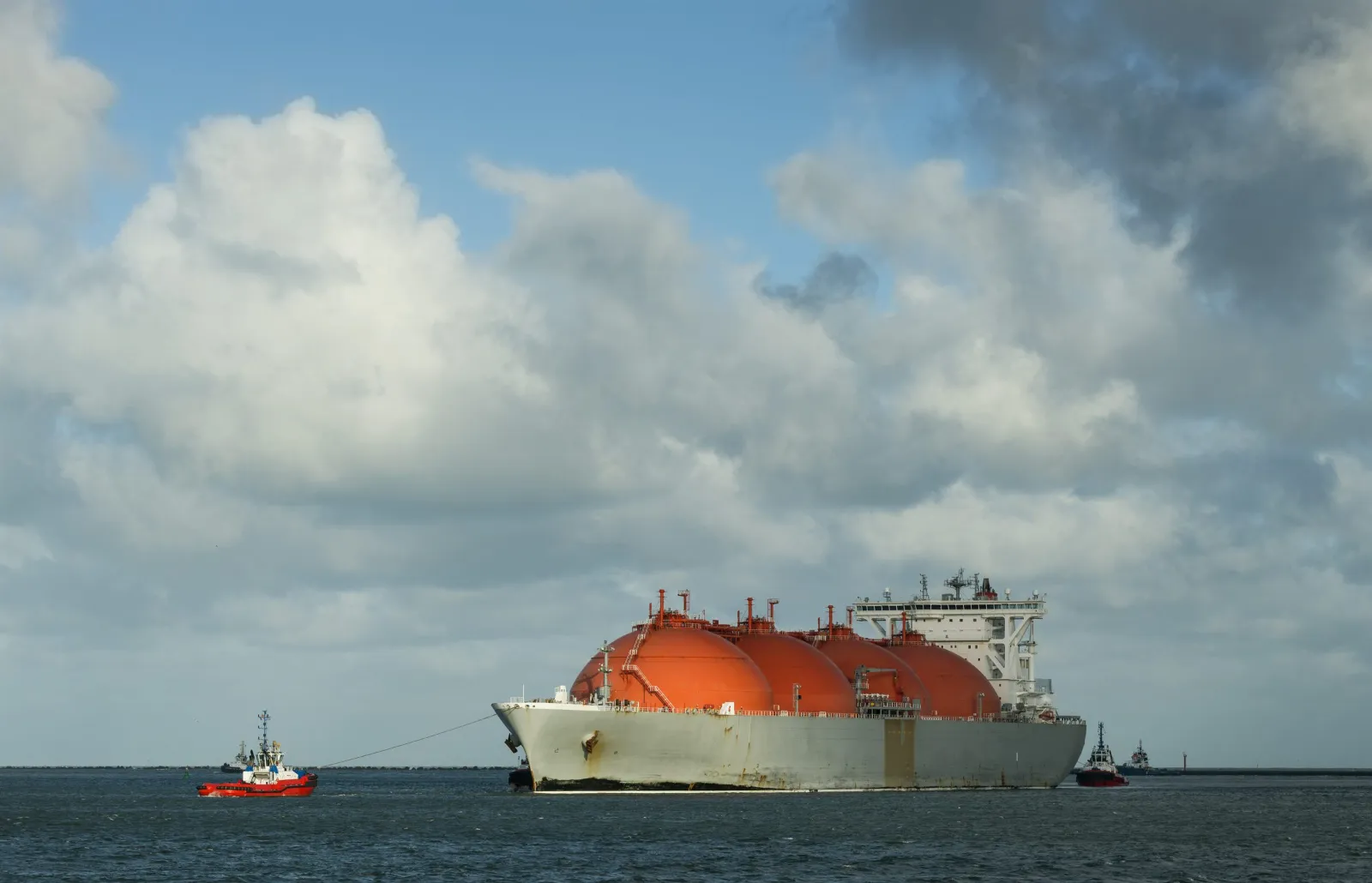
NESO expects less gas from both the UK’s own fields and Norway’s over the period. It says none of its scenarios show gas produced at home, plus Norwegian gas, meeting demand on their own. In its words, Britain “will continue to rely on imports and flexible supply sources such as LNG”. LNG is liquefied natural gas, which arrives by ship.
The report notes two decisions already made: the government’s consent for the Jackdaw gas field, which we covered when Jackdaw started production, and Ofgem’s support for keeping the import capacity of the Interconnector pipeline for the next five years.
What happens if there is a shortfall?
NESO says any shortfall would be managed in real time by National Gas and, “in extreme cases, could require demand disconnections to help balance both the gas and power systems”. The report doesn’t say which customers would be disconnected first.
It also says it expects National Gas could manage small shortfalls over short periods.
What is being done?
The Department for Energy Security and Net Zero is consulting on long-term gas security and, NESO says, “will set out the government’s preferred mitigations in due course”. No date is given.
NESO’s own advice in this report is that reducing gas demand “remains an important mitigation”, and that a new standard for judging gas security in the longer term is worth considering. From next year it wants to assess the years one to four ahead as well, which would close the gap between the winter outlook and this report.
Dr Deborah Petterson of NESO said: “Gas security remains fundamental to the resilience of Great Britain’s whole energy system.”
The questions worth asking
- When will the government choose? “In due course” has no date, and the first winter studied is five years away.
- Who pays for the fix? The report doesn’t cost any option.
- Who is disconnected first in an extreme case? The report raises disconnections and leaves that unanswered.
- How exposed does relying on LNG leave prices? LNG is bought on a world market. We reported today that the household price cap is forecast to rise 26% because of wholesale gas costs.
What does this mean for your business?
- Your supply this winter isn’t what this report is about. It looks five and ten years ahead.
- It’s a price story before it’s a supply story. A system that leans on imported gas feels world prices. That is in your gas rate and, because gas-fired power stations often set the wholesale electricity price, in your electricity rate too.
- If gas runs your process, know your numbers. How much you use on your busiest winter day, and what you’d do without it for a day, are worth knowing whatever the government decides. Send us a year of gas bills and we’ll show you your winter use month by month and what it costs.
- Fix with both fuels in view. Tell us the end dates of your gas and electricity contracts together, as early as you can. We’ll compare business gas prices from suitable suppliers alongside your electricity.
We’ll report the government’s decision when it’s published.
Talk to our energy experts
Want your gas and electricity renewals priced together? Book an appointment with our Energy Team, get a quote, or call us on 01273 914000.