
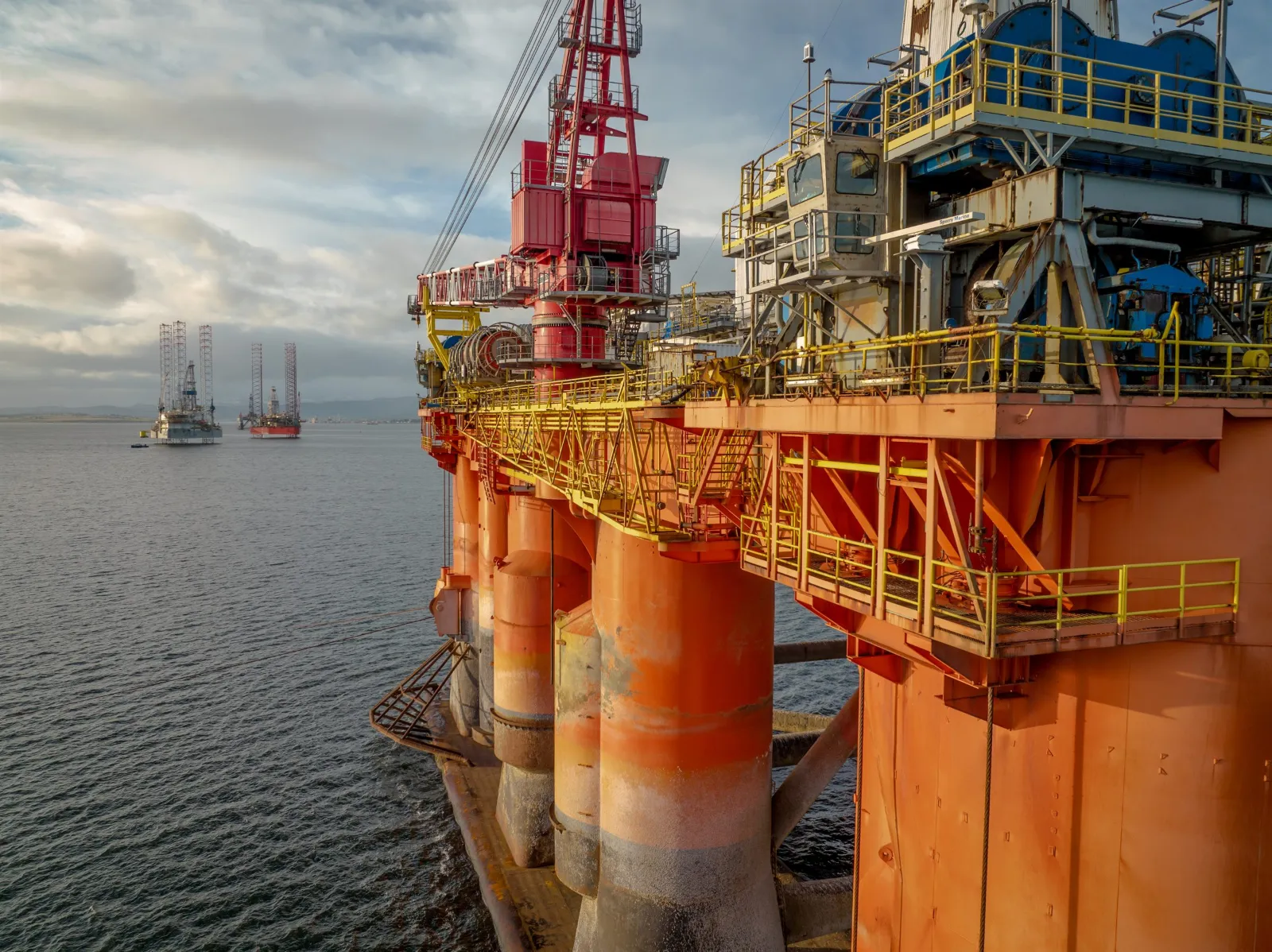
Gas began flowing into Britain from the Jackdaw field in the North Sea on Monday 16 November 2026, the BBC reports, citing the field’s operator, Adura. The Energy Secretary, Miatta Fahnbulleh, approved production on 21 October after years of court challenges. The government says Jackdaw will raise the UK’s own gas production by around 6% at its peak. It won’t lower what your business pays for gas. Your next contract can, and we’ll show you today’s prices from suitable suppliers whenever you want to see them. Here are the facts, and why the price stays where it is.
The facts
- Where: 150 miles east of Aberdeen. The gas is pumped to the existing Shearwater platform for processing, then piped to the St Fergus gas terminal in Aberdeenshire.
- Who: Adura, a joint venture between Shell and Equinor, the Norwegian state energy company.
- How much: around 6% of UK gas production at its peak. Adura says that’s enough for 1.4 million homes. The BBC puts it at about 2% of total UK demand once imports are counted.
- How long: up to 11 years. Over that time the government estimates Jackdaw will produce gas with the energy of around 40 million barrels of oil.
- Jobs: the developer estimates 27 new direct jobs, and 273 existing jobs kept that would otherwise be lost.
- Value: the developer estimates the project will add around £2.9 billion to the UK economy.
Ms Fahnbulleh said it means “homegrown gas from this project will help to heat millions of British homes and businesses this winter and beyond, in a boost for our energy security”.
Why did it take so long?
Jackdaw was discovered in 2005, and Shell committed to developing it in 2022 after the government of the day gave consent. In January 2025 the Court of Session in Edinburgh ruled that consent unlawful. A Supreme Court ruling in 2024 had decided that developers must count the climate impact of burning the oil and gas they produce, not just of extracting it.
The developer submitted new environmental information. On 21 October 2026 the Energy Secretary agreed that the regulator, the North Sea Transition Authority, could grant consent. The government says she assessed that the project “will not prevent the UK from being able to meet its legally binding limits on carbon emissions”.
Not everyone agrees. The Scottish Greens called the approval “climate vandalism”, and Greenpeace called it “the wrong decision”. A decision on Rosebank, a larger oil field off Shetland, hasn’t been made.
Will Jackdaw lower gas prices?
No, and the government has said so itself. In August, the BBC reports, Energy Minister Michael Shanks wrote that gas from UK waters “represents a tiny fraction of global demand and so will not lower prices nor materially boost supply”.
Gas is bought and sold on an international market, so the price a UK supplier pays follows that market wherever the gas comes from. The government’s own figures show where Britain’s gas has come from over the last five years: 42% from UK waters, 37% from Norway, 20% shipped in as liquefied natural gas (LNG), and 1% through pipelines to the continent. The government says events in the Middle East this year “triggered global energy shocks and pushed up bills”, and we’ve explained how that works in our piece on the Strait of Hormuz and UK energy prices.
What Jackdaw changes is where some of the gas comes from. In Ms Fahnbulleh’s words, it will “help minimise the UK’s use of imported higher emission gas”.
What is the Energy Wealth Fund?
Alongside the approval, the Chancellor announced an Energy Wealth Fund, starting with £2 billion. It will sit inside the National Wealth Fund, the publicly owned bank that put £1 billion into the Norfolk Vanguard offshore wind farms, and will invest tax revenue from North Sea oil and gas in renewable and low carbon energy.
The government’s aim is that, with more renewable power, “gas will set the price of electricity less often”. That matters for your electricity bill as well as your gas bill, because gas-fired power stations often set the wholesale electricity price.
What does this mean for your business?
- Your gas price isn’t coming down because of Jackdaw. If you’ve been holding off on a renewal in the hope that North Sea gas will pull prices lower, the government’s own minister says it won’t.
- Supply this winter has one more source. Jackdaw is gas from UK waters arriving by pipeline, at a time when a fifth of Britain’s gas arrives by ship.
- A fixed contract is what protects your price. A fixed business gas contract sets your unit rate for the whole term, whatever the international market does. If your contract ends in the next 12 months, arrange the next one as far ahead as you can, so you can choose when to fix.
- Electricity is tied to gas for now. Until gas sets the electricity price less often, a gas price shock reaches your electricity bill too. It’s worth looking at both contracts together.
Talk to our energy experts
Want to see what fixing your gas or electricity now would cost? Book an appointment with our Energy Team, get a quote, or call us on 01273 914000.