
Half-Hourly Meters Explained
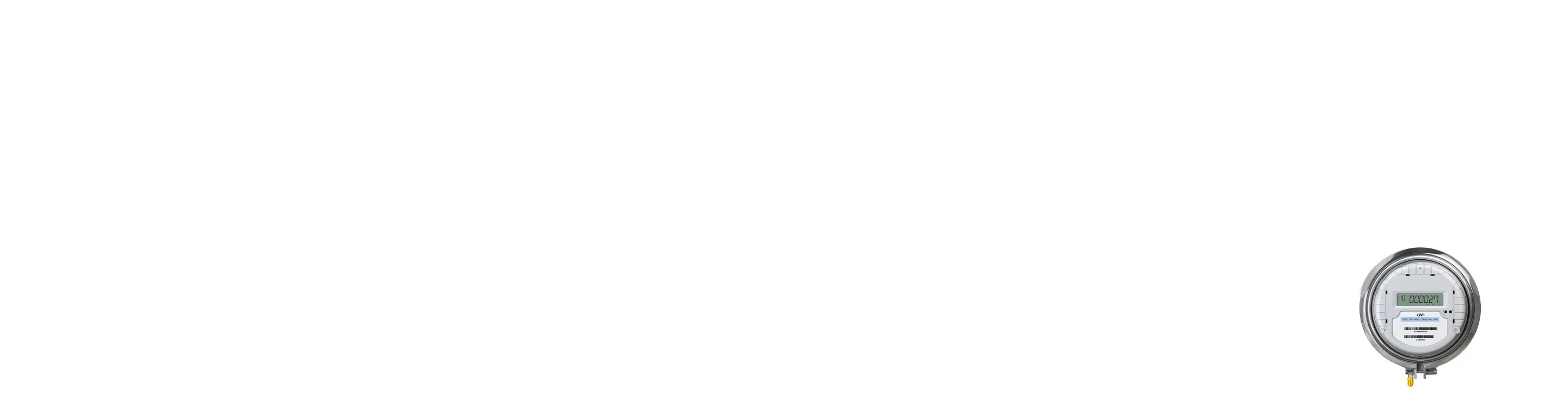
What they mean for your electricity billsA half-hourly electricity meter records how much electricity your site uses in every 30-minute period, which gives 48 readings a day.
Those readings are collected remotely, so you’re settled and billed on what you actually used rather than on an estimate. Larger sites, those above 100kW, have been half-hourly metered for years, and you can usually spot a half-hourly supply by the 00 at the start of the top line of its supply number. Since 22 October 2025, market-wide half-hourly settlement (MHHS) has been moving every electricity meter in Britain onto half-hourly settlement, with migration due to finish by 7 May 2027, so it’s not just big sites any more. Whatever size your business, we’ll help you make sense of it.
What Does a Half-Hourly Meter Actually Do?
A standard business meter keeps a running total. Someone (or something) reads it, and the industry then estimates how that total was spread across the day using a standard shape for customers like you. A half-hourly meter doesn’t need the guesswork. It stores a reading for each half-hour, and a data service retrieves those readings and passes them into settlement, the process that works out who supplied what and who pays for it.
Elexon, which runs electricity settlement in Great Britain, sorts metering into “measurement classes” by how consumption is measured. Non-half-hourly meters are class A. Half-hourly metering at premises above 100kW is class C, and half-hourly metering at premises below 100kW is classes E, F and G, split by whether the meter uses current transformers and whether the premises are domestic. So half-hourly metering isn’t one product. It’s a way of measuring that covers everything from a factory’s high-voltage supply to a small shop with a smart meter.
Why should you care? Because the half-hourly readings are what your supplier is charged on. Network charges for half-hourly metered sites change by time of day. On National Grid Electricity Distribution’s network, for example, DUoS charges come in red, amber and green time bands, with red covering the weekday early evening peak. If your usage is measured half-hour by half-hour, the price you’re quoted can reflect when you really use power, not an average, and that’s exactly what we look at when we compare prices for you.
Does Your Site Need a Half-Hourly Meter?
The 100kW line goes back a long way. It was written into the Electricity Act in 1989, and deciding whether a site is over or under it has always needed some interpretation. If your site’s demand is above 100kW, you’ll be in half-hourly metering already.
Below 100kW, half-hourly settlement has spread in stages. P272 brought maximum demand sites across in 2017. Then modification P432, approved by Ofgem, means current transformer (CT) advanced meters have to be settled half-hourly by MHHS milestone M14, which the MHHS Programme says was delivered on time on 28 October 2026. CT meters measure the supply through current transformers rather than carrying the whole current through the meter.
So do you need one? If your site is above 100kW or has a CT advanced meter, it’ll already be half-hourly settled, and under MHHS every remaining site is moving onto half-hourly settlement too. Not sure where your sites sit? Send us a recent bill and our Energy Team will tell you.
What Does Profile Class 00 Mean?
Before half-hourly settlement, every non-half-hourly supply was given a profile class: a two-digit code telling the industry which standard usage shape to apply. There are eight:
- Profile classes 1 and 2: Domestic customers, on an unrestricted supply (1) or an Economy 7 type off-peak tariff (2).
- Profile classes 3 and 4: Non-domestic customers, on an unrestricted supply (3) or an off-peak tariff (4).
- Profile classes 5 to 8: Maximum demand customers, grouped by peak load factor, from below 20% (5) to above 40% (8).
A half-hourly settled supply doesn’t need a usage shape, because its real half-hourly readings are used instead. That’s what profile class 00 tells you. Under the MHHS supply number format, the profile class stays on the top line of your supply number, the MPAN printed on your bill, and any migrated MPAN without a profile class shows “00”. Supplies with a profile class of 02 or 04 keep their code.
P272: When Maximum Demand Meters Went Half-Hourly
P272 is history, but it’s the reason so many business sites changed. It was the industry rule change that made half-hourly settlement mandatory for profile classes 5 to 8, and it took effect in April 2017. Maximum demand sites without a half-hourly meter can only use historic load profiles because, as of October 2026, Elexon updates load profiles for profile classes 1 to 4 only.
If your site moved across under P272, you’ll have seen the change in your bills. Half-hourly metered connections pay network charges by time band, plus a capacity charge in pence per kVA per day based on the site’s agreed capacity. We check both on your bills for you.
What Does MHHS Change?
MHHS takes the half-hourly approach and applies it to every meter. Here’s the MHHS timeline in brief: suppliers began migrating meters on 22 October 2025, full migration is due to finish on 7 May 2027 (milestone M15), and on 2 July 2027 (milestone M16) the industry cuts over to a shorter settlement timetable, with settlement taking about four months instead of 14.
The familiar agent roles are changing too. Under MHHS, the Metering Service (Advanced) installs and maintains meters in the advanced segment, and the Advanced Data Service retrieves and processes their readings, taking over from the meter operator and data collector roles. That’s work for your supplier and its agents, so there’s nothing you need to sign. You may just see the new names in contract packs and on bills, along with a slightly different top line on your supply number. If anything looks unfamiliar, give us a call and we’ll talk you through it.
How Black Sheep Utilities can help
Half-hourly data is only useful if someone looks at it. That’s where we come in.
- Your Half Hourly Meter Report Sign up and we’ll send your half-hourly electricity consumption, summarised, to your inbox. You can stop the reports at any time from a link in any report.
- Prices that fit your usage We compare business electricity prices from suitable suppliers for your half-hourly sites and present the options that best suit your business, so you can see how each one prices your real profile.
- Bills that match your contract We offer bill validation to all our customers, checking each bill against your agreed rates and recorded consumption and taking up any errors with the supplier.
If you’re responsible for several larger sites, we’ll manage them together as a large business energy portfolio. To start getting your consumption summarised and sent to you, sign up for the Half Hourly Meter Report, or call our Energy Team on 01273 914000. No hassle, no jargon.
Frequently asked questions
What is a half hourly electricity meter?
It’s a meter that records your electricity use for every 30-minute period, 48 readings a day, which are collected remotely. Your site is then settled and billed on those actual readings rather than on an estimated usage shape.
Do I need a half hourly meter if my site uses more than 100kW?
Yes. Sites above 100kW fall into Elexon’s half-hourly measurement class C, and the 100kW requirement goes back to the Electricity Act 1989. If your site is that size, it will already be half-hourly metered.
What does profile class 00 mean on my bill?
It means the supply is settled on half-hourly data and has no profile class. Under the MHHS supply number format, any migrated MPAN without a profile class shows “00” in that position.
Is P272 still relevant?
Only as history. P272 made half-hourly settlement mandatory for maximum demand meters in profile classes 5 to 8 from April 2017. MHHS extends half-hourly settlement to every meter, with suppliers migrating meters from 22 October 2025 and migration due to finish on 7 May 2027.
Will MHHS change my half hourly meter?
Not physically. MHHS changes how your data is processed and settled, and renames the agent roles your supplier appoints, but your existing half-hourly meter keeps doing the same job.
See how much you could be saving
For more information
01273 914000To talk about your business energy, phone us on the number above, or request a quote and one of our energy experts will call you at a time that suits you.