
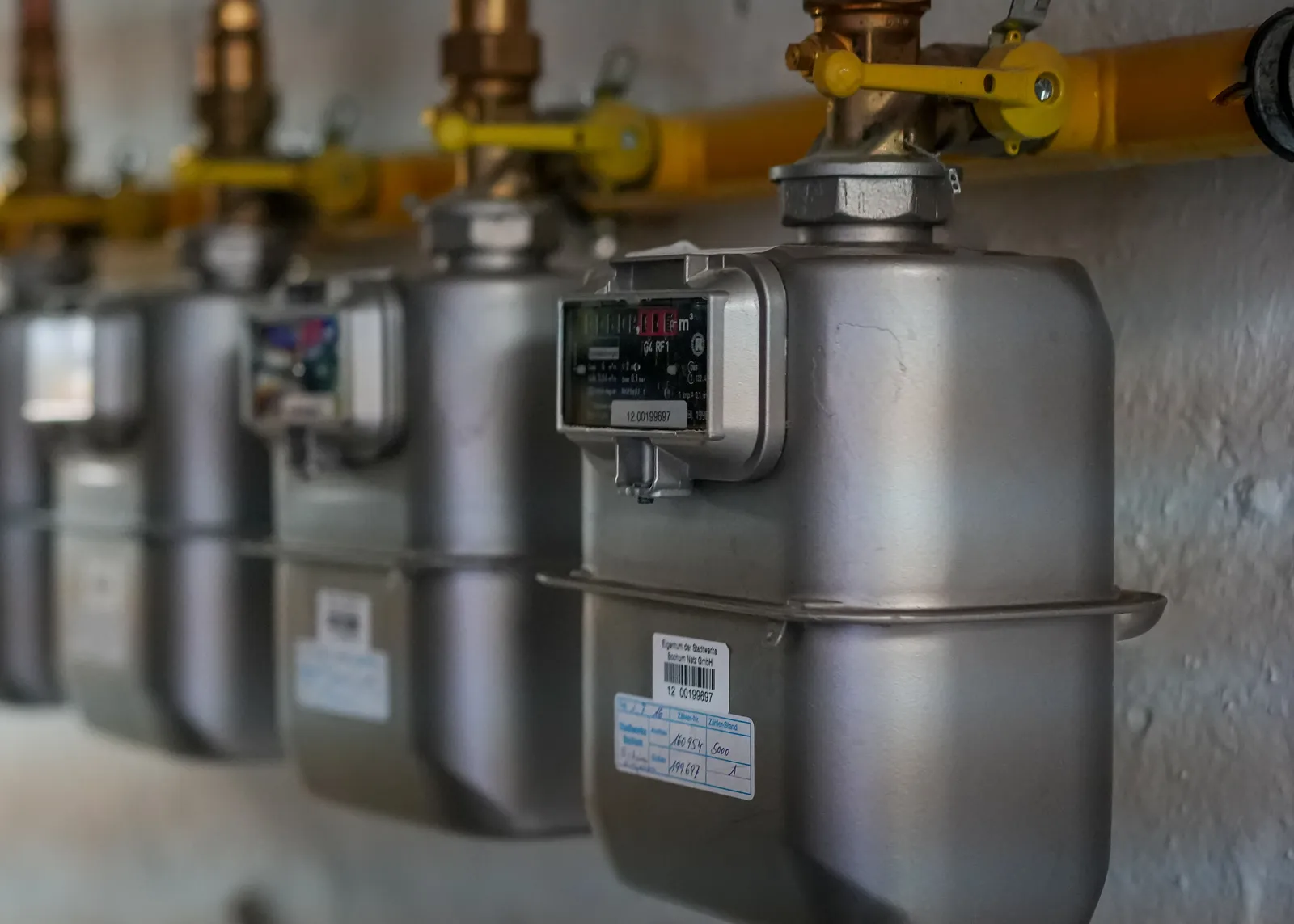
Standing charges on household gas bills are set to be scrapped. Chancellor John Healey confirmed the change in his Budget on 28 October 2026, and he’s asking the energy regulator, Ofgem, to remove gas standing charges by the end of 2027 or as soon as possible after that.
It’s a headline that’s grabbed a lot of attention, but it isn’t as simple as it sounds. As an independent business energy and water broker, we spend every day reading the small print on energy bills, so here’s what’s actually changing, who wins, who pays more, and what it means if you run a business.
What is a standing charge?
A standing charge is the fixed daily amount you pay to stay connected to the gas or electricity network, whether you use any energy that day or not.
Under the October to December 2026 price cap, the typical household gas standing charge is 29.68p a day. That’s about £108 a year before you’ve boiled a kettle on the gas hob (if you’re not using an electric kettle or something similar) or switched your heating on.
What’s being announced in the Budget?
Here’s what was announced:
- Gas first: The announcement is about gas standing charges. For electricity, the government has committed to reform standing charges and will set out the details next year.
- Households only: It’s aimed at the 23 million or so homes on gas. None of the reports we’ve seen mention business energy contracts.
- Not straight away: The government wants Ofgem to remove the charge by the end of 2027, or as soon as possible after.
- Savings for most, not all: The Treasury expects around 60% of households to save an average of £45 a year. It’s promised targeted help for a small number of households that won’t see a saving automatically.
We’ll update this article if any more detail comes out.
The cost doesn’t disappear, it moves into your unit rate
When the standing charge goes, its cost moves into the unit rate, the price you pay for each kWh of gas you use.
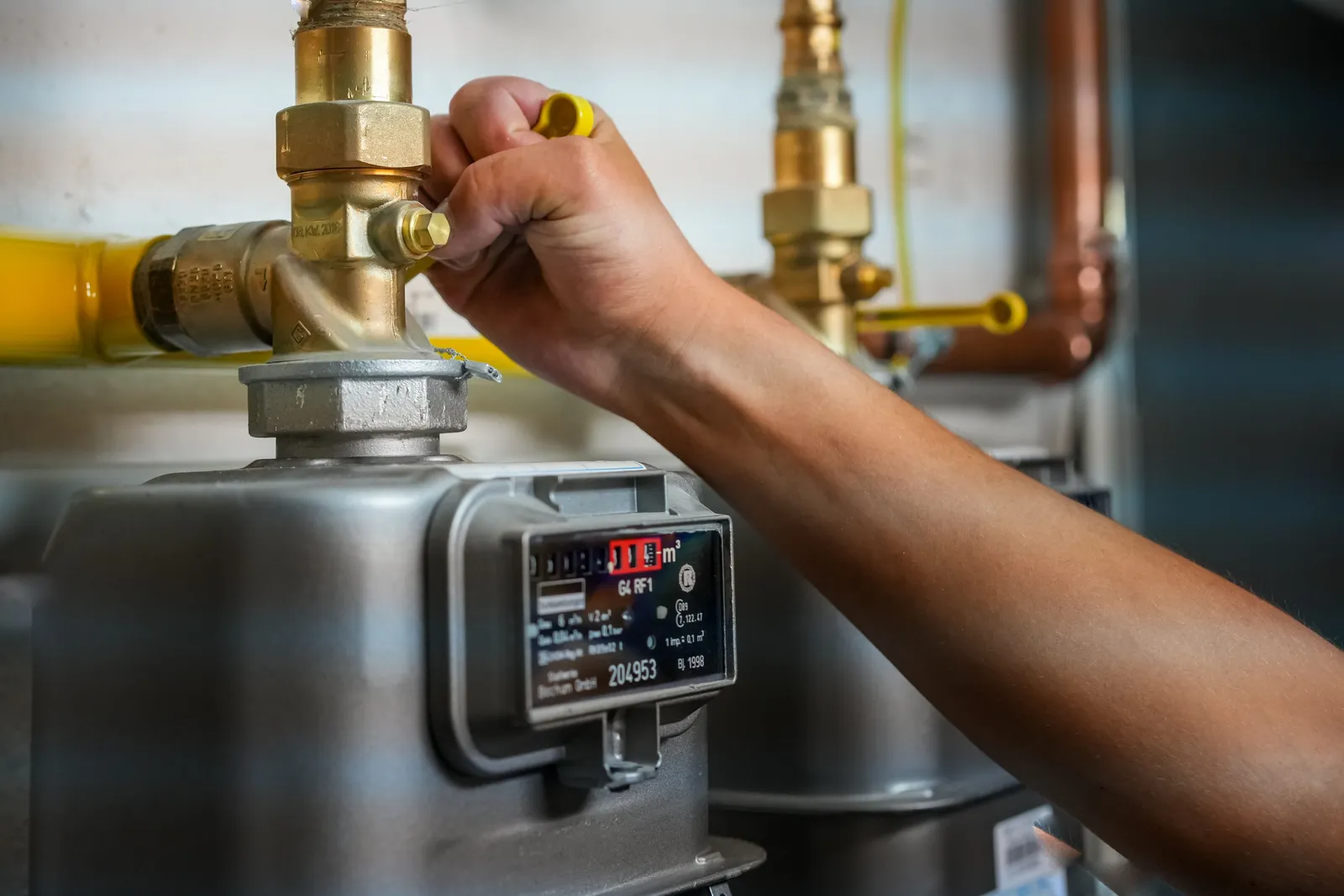
On our own maths, spreading that £108 across a typical household’s gas use adds roughly 1p per kWh, so a typical gas unit rate of 7.97p could end up closer to 9p.
And that’s before the next price cap. Cornwall Insight’s final forecast for January 2027, published on 18 November 2026, puts the typical gas unit rate at 10.90p per kWh, already higher than 9p on its own. On our own maths, move a 31p a day standing charge into that rate as well and you’re looking at around 12p per kWh.
So who comes out ahead?
- Low gas users: You’re likely to pay less, because you’re no longer paying a fixed daily fee.
- Higher than average users: You’re likely to pay more, because every kWh carries a share of that cost. The government has said it will set out targeted help for households that don’t see an automatic saving.
Gas standing charge calculator: will scrapping it save you money?
Use our free calculator to see what the gas standing charge costs you now, and what your gas bill could look like if that cost moved into the price you pay for each kWh. Pick today’s price cap or one of the published forecasts for 2027, put in how much gas you use a year, and you’ll see whether you’d pay more or less.
Gas standing charge calculator
Powered by
On our own maths, your gas bill would stay about the same.
- Gas standing charge now
- £108.33 a year
- Unit rate if it moves into the price per kWh
- 9.11p per kWh
- Your gas bill now
- £865.48 a year
- Your gas bill after the change
- £865.48 a year
Ofgem price cap for 1 October to 31 December 2026: 7.97p per kWh and 29.68p a day (GB average, Direct Debit, including 5% VAT). Source
On these sums, a home using less than 9,500 kWh of gas a year pays less, and a home using more pays more.
How we worked this out
- Standing charge now: 29.68p a day × 365 days = £108.33 a year.
- Gas used now: 9,500 kWh × 7.97p = £757.15, so your bill now is £865.48.
- Standing charge moved into the unit rate: £108.33 spread over 9,500 kWh = 1.14p per kWh, so the unit rate goes from 7.97p to 9.11p.
- Your bill after the change: 9,500 kWh × 9.11p = £865.48.
- Difference: £865.48 − £865.48 = £0.00 a year.
Ofgem hasn't said yet how it will move the cost into the unit rate. We've spread a year of standing charges over Ofgem's typical household gas use of 9,500 kWh (Ofgem, typical domestic consumption values). If it's spread over a different amount of gas, the rise per kWh changes. You can try a different figure here:
Examples at Ofgem price cap now (1 October to 31 December 2026)
| Yearly gas use | Bill now | After the change | Difference |
|---|---|---|---|
| Low use (6,000 kWh) | £586.53 | £546.62 | £39.91 less |
| Typical use (9,500 kWh) | £865.48 | £865.48 | About the same |
| High use (14,000 kWh) | £1,224.13 | £1,275.45 | £51.32 more |
Low, typical and high are Ofgem's typical gas use figures from 1 July 2026. Sums on our own maths.
Share this calculator
Add this calculator to your website
It's free to use. Copy the code below into your page. The figures update whenever we update ours, and the link underneath must stay so your readers know where it comes from.
How the calculator works
- Your standing charge: We take the daily standing charge and multiply it by 365 days.
- The new unit rate: Ofgem hasn’t said how it will move the cost yet, so on our own maths we spread a year of standing charges across Ofgem’s typical household gas use and add it to the price per kWh. You can change that figure under “How we worked this out”.
- Who comes out ahead: On these sums, if you use less gas than a typical home you’d pay less, and if you use more you’d pay more.
- The forecasts: Cornwall Insight publishes gas rates, so we use them as they are. MoneySavingExpert publishes a typical bill, so we move today’s gas rates by the same percentage and say so in the results.
- Kept up to date: When Ofgem announces a new price cap, or a forecast or the Budget changes the figures, we update the calculator, and every site that shows it gets the new figures too.
Want the calculator on your own site? It’s free to embed. Copy the code from the calculator above and it’ll show with a link back to this article.
Will the price cap change?
The price cap is made up of two parts: a cap on the unit rate and a cap on the standing charge. Ofgem sets both every three months. The costs behind a standing charge can’t be removed, only moved to another part of the bill.
What that means for the forecasts:
- January 2027 cap: Ofgem announces it by 25 November 2026. With the change due in 2027 at the earliest, it won’t affect the January 2027 cap.
- Where prices are heading: Cornwall Insight’s final forecast, published on 18 November 2026, points to a rise of 26% from January 2027, with the typical gas unit rate going from 7.97p to 10.90p per kWh and the daily standing charge from 29.68p to 31p. We covered it in our story on the January forecast.
You can check the latest cap rates on Ofgem’s price cap rates page.
Will businesses lose their standing charges too?
You might have heard businesses mentioned alongside this story on some established radio programmes. We don’t think businesses are included. Everything announced so far is about household gas bills.
Your business energy contract is different in a few ways:
- No price cap: Your unit rates and standing charges are set in your contract, not by Ofgem’s quarterly cap.
- Fixed for your term: If you’re on a fixed contract, your rates are locked for the length of the deal, whatever happens to the cap.
- Standing charges vary a lot: Business standing charges depend on your meter, your supplier and your site.
We’ll be keeping a close eye on every Budget announcement. If anything changes for business customers, we’ll update this article and let our customers know straight away. Keeping you ahead of news like this is just one more reason we’re outstanding in our field.
What should your business do?
You don’t need to wait for the Budget to get your energy costs under control. Whether your contract is up for renewal next month or next year, it pays to know where you stand.
At Black Sheep Utilities, we can:
- Check your current rates: We’ll look at your unit rates and standing charges and tell you whether they’re fair for a business of your size.
- Plan your renewal: We’ll keep an eye on your end date so you’re never rolled onto expensive out-of-contract rates.
- Find the right contract: We compare business gas prices and electricity prices from suitable suppliers and present the options that best suit your business, including the balance between unit rate and standing charge that fits how you use energy.
- Validate your bills: If something on a bill doesn’t look right, our dedicated team will chase it with your supplier for you.
If you run your business from home, the household changes will apply to your home gas bill, so it’s worth knowing which side of that typical use you sit on.
Talk to our energy experts
Not sure what the Budget news means for your business, or whether your standing charge is too high? Let us take a look. Book an appointment with our Energy Team, get a quote, or call us on 01273 914000. You’ll get straightforward advice from energy experts who are outstanding in their field.