
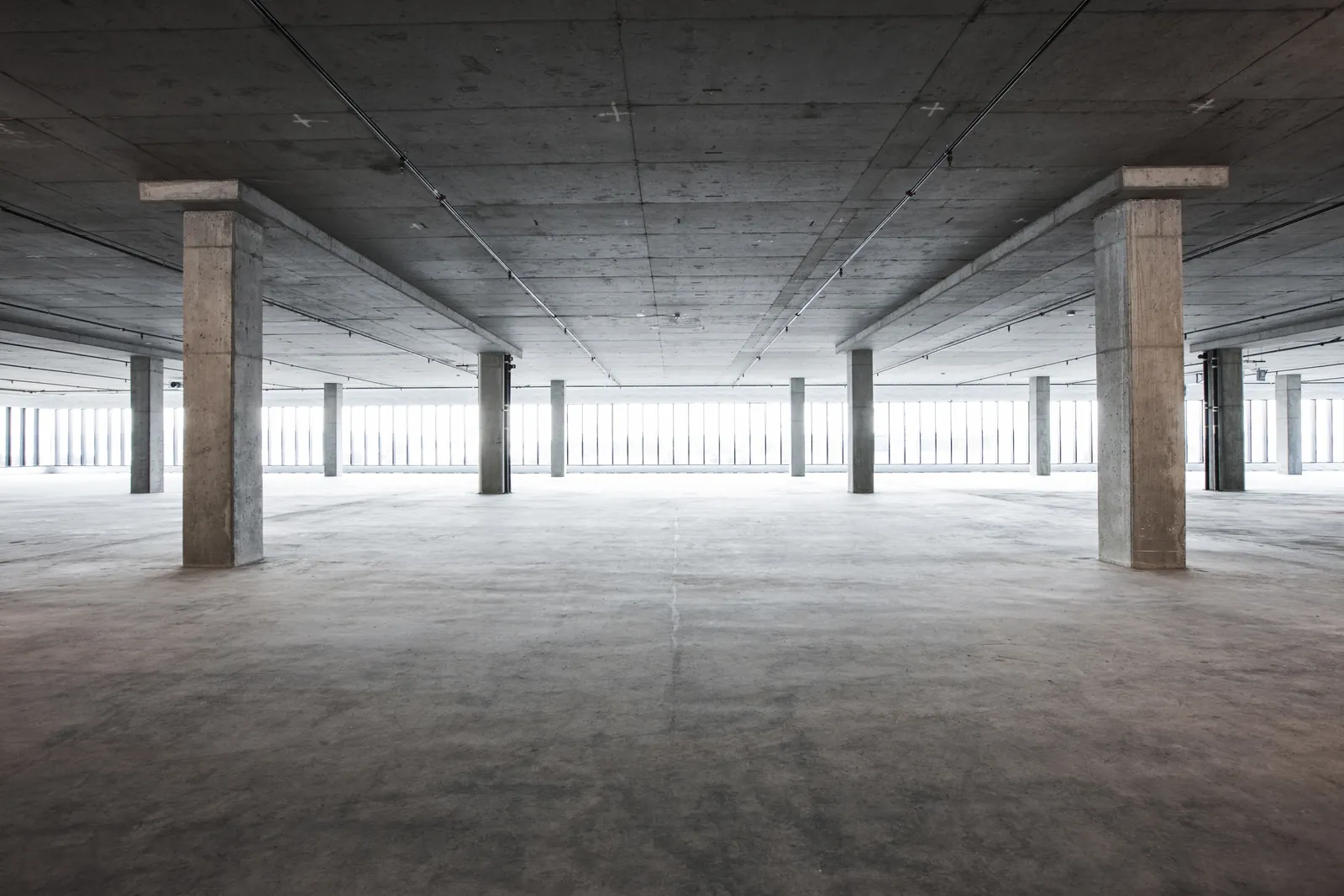
An empty building can still run up a surprising amount on its bills. Standing charges keep ticking over, any energy used without a contract lands on deemed rates, and water needs the right vacant status on record. The good news is that we’ll sort the energy and water at an empty site for you, so a quiet building isn’t quietly costing you more than it should.
Key points
- Empty doesn’t mean free: Standing charges keep running for as long as the supply is connected.
- Deemed rates are the big trap: Energy used with no contract in place goes onto a supplier’s most expensive rates.
- Readings keep bills honest: Dated meter readings stop an empty site being billed on guesswork.
- Water has its own rules: A vacant property needs the right status recorded with the water retailer.
- We’ll take it off your hands: We compare prices for the empty site, check its bills and keep its dates on record.
Empty Doesn’t Mean Free: Why Do the Bills Keep Coming?
It’s easy to assume that no one inside means nothing to pay. Sadly, it doesn’t work like that. The standing charge is a fixed daily or monthly amount you pay your supplier for maintenance and other costs, such as keeping your connection to the network (you’ll find it in the energy regulator Ofgem’s glossary of energy terms). It’s one of the non-commodity costs on your bill, and it isn’t tied to how much energy you use, so it adds up for every day the meter stays connected, whether the lights are on or not.
And most void properties do use some energy. Alarms, emergency lighting, frost protection on the heating, a fridge someone forgot to empty, contractors running power tools during a refit: it all registers on the meter.
Imagine a shop unit sitting between tenants for six months. The alarm panel’s on, a couple of storage heaters are running on a timer, and the bills keep arriving at a head office where nobody checks whether they’re right, or whether the rate on them is one anyone ever agreed.
Is Your Empty Building on Deemed Rates?
The biggest cost at an empty property is usually the contract, or rather the lack of one. When someone moves into premises and uses energy without agreeing a contract, or a contract ends and the energy keeps flowing, you’re normally on a deemed contract. Deemed rates are usually among a supplier’s most expensive, at an average of 80 per cent more than the rates in a negotiated contract.
That’s what happens to a lot of void buildings. A tenant leaves and closes their account, the landlord or owner takes the building back, and energy keeps flowing with no contract in anyone’s name. Whether the building has changed hands through a new tenancy, a sale or a bankruptcy, the current supplier needs to know about the change of occupier as soon as possible, with a meter reading if you can get one and evidence such as a lease or sale documents. That’s a call we can make for you. With a signed Letter of Authority (LOA), we’ll speak to the supplier on your behalf, so you’re not stuck on hold while you’ve got a building to look after. Our Letter of Authority (LOA) lets us help you, not make decisions for you. Help with your contracts, bills and supplier queries: yes. Enter into a contract on your behalf: no. Some brokers ask for a “level 2” LOA that lets them sign contracts for you. Ours is a level 1 LOA, so only you can agree a contract.
A deemed contract isn’t a trap you’re stuck in. A business on one can switch supplier with no notice requirement and no termination fee. We’ll compare supplier prices for the empty site and arrange the contract you choose, so a building that’s using very little isn’t paying the highest rates for it.
If the property already has a contract that’s coming to an end while it’s empty, the same thinking applies. We always advise arranging your next contract as early as possible, normally 12 months before your renewal date, and that’s as true for a quiet building as a busy one. Leave it too late and the site can slip onto the rollover or deemed rates that follow when an energy contract is ending with nothing new in place, which is the last thing an empty building needs.
Meter Readings: Your Best Friend in an Empty Building
When a building’s empty, there’s nobody around to spot an odd bill or let a meter reader in. That’s how problems build up without anyone noticing. Catch-up bills (back bills) can come from estimated bills that a later meter reading shows were too low. An empty building can go the other way too: estimates based on when it was busy can charge you for energy no one’s using.
The fix is simple. Take a reading on the day the building empties, with a dated photo of each meter, and keep taking them at regular intervals while it’s vacant. If someone’s visiting for checks or maintenance anyway, make the meters part of their round. Microbusinesses are protected by the 12-month back billing rule, which stops suppliers billing for energy used more than 12 months ago, but with regular readings you’ll never need to lean on it.
Looking after several empty or part-let units at once? That’s where things really slip, and it’s where our multi-site energy management comes in. We keep every contract end date for your sites on record in one place, and we can link related companies and billing entities so the whole portfolio is managed together.
What About the Water?
Water works differently. For business premises in England, your water retailer bills you and looks after your account, while the wholesaler runs the pipes and supplies the water itself. Whether your site is recorded as occupied or vacant sits in the market’s records, and it’s the retailer that marks a property as vacant, so the retailer is who needs to hear when your building empties.
Get that status wrong either way and it’ll be picked up: MOSL, the business water market operator, tracks premises marked vacant that are still recording water use. If your building’s empty, the records need to say so, and once it’s back in use they need changing again. We’ll help you get that straight when we look at the site’s business water alongside its gas and electricity.
An empty building can still use water, too: a slow leak, a dripping tap, a cistern that won’t stop running. With nobody there, it can go unnoticed for months, so keep taking regular meter readings. Take your water readings on the same round as the energy ones and you’ll spot a problem before it turns into a big bill.
What Does This Mean for Your Business?
An empty property is easy to forget about, which is exactly why it costs more than it should. Let us take it off your list:
- Off deemed rates: We compare prices from suitable suppliers for the empty site and present the options that best suit your business, so the building isn’t sitting on deemed rates.
- Bills checked: We offer bill validation to all our customers, checking bills against agreed rates and recorded consumption and taking up errors with the supplier.
- Water and energy together: We look at the water alongside the gas and electricity, so every supply at the site is sorted at once.
- Every date on record: Our retentions team keeps contract end dates in one place and sends renewal reminders well ahead, so an empty building doesn’t miss its renewal.
Send us a recent bill for the site and we’ll get started.
Final Thoughts: Keep Empty Buildings Off the Highest Rates
An empty building shouldn’t be paying the highest rates for energy nobody’s using. Take your readings, get the right contract and water status in place, and let us keep an eye on the dates until a new occupier is moving into the premises. If you’ve got an empty or void property to sort out, book a call with our Energy Team, request a callback or ring us on 01273 914000. We’re here when you need us.