
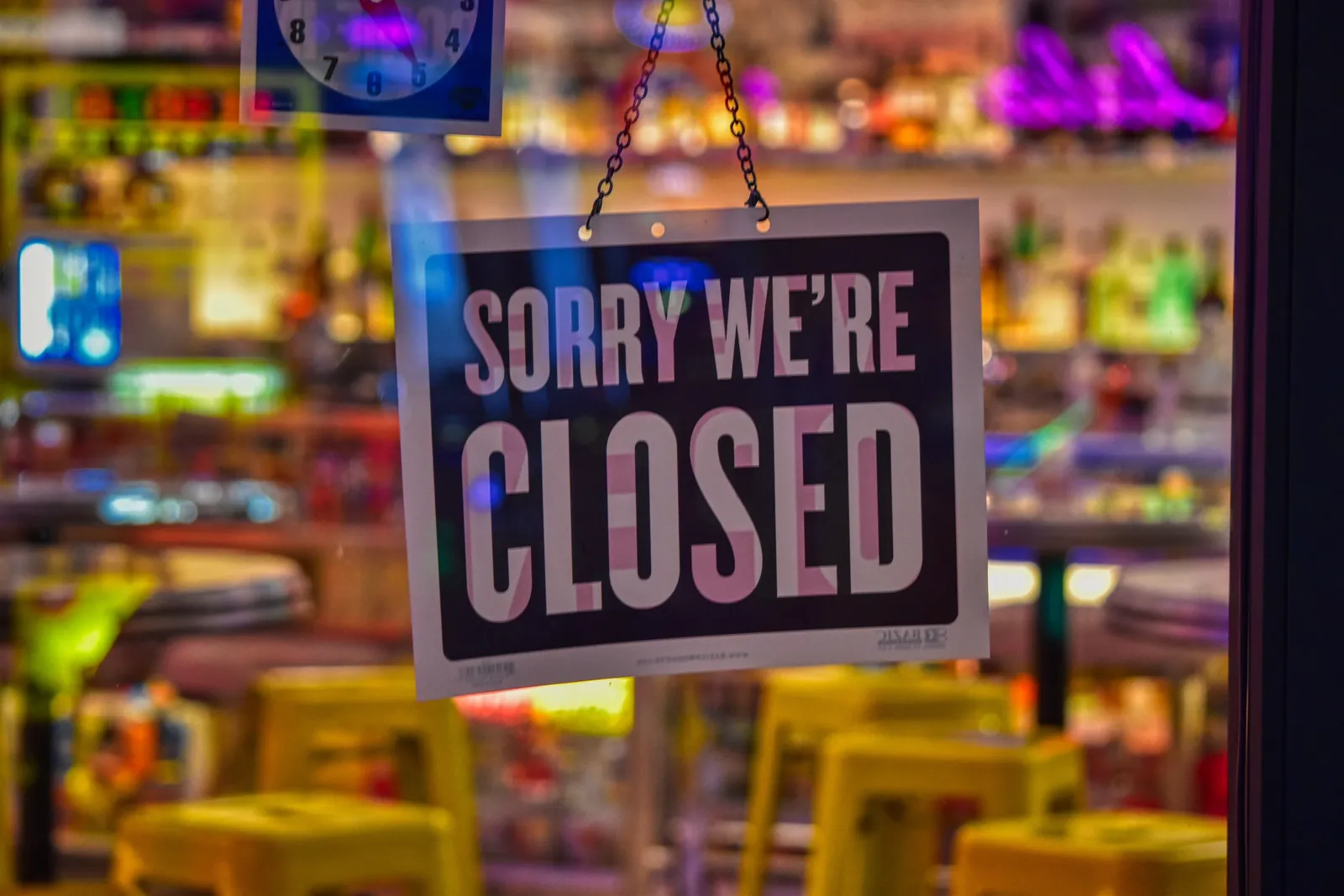
Finding out your energy supplier has gone bust is an unsettling way to start the week, but your gas and electricity keep flowing. Ofgem appoints a new supplier, usually within a few days and at most 14. Before you do anything else, check with one of our energy experts: we’ll tell you where you stand and get you onto a proper contract as soon as possible.
Key points
- Your supply carries on: Ofgem’s safety net moves you to a new supplier with no break in supply.
- Talk to us first: Check with one of our energy experts before you switch, cancel a payment or sign anything.
- Deemed rates are a stopgap: You’ll be on a deemed contract that you can leave with no exit fees.
- Watch your credit balance: Business credit balances aren’t covered by Ofgem’s safety net.
- We’ll line up your next contract: We compare prices from suitable suppliers for your sites and present the options that best suit your business.
What Happens When Your Supplier Goes Bust?
Imagine you run a busy restaurant. It’s Friday morning, the kitchen’s prepping for a full house, and an email lands saying your energy supplier has stopped trading. Your first thought is whether the ovens will still be on tonight. They will. There’s a safety net for exactly this, and it’s designed so you don’t notice anything at the meter.
Here’s how the safety net for when energy firms collapse works. Ofgem directs another gas or electricity company to take on the failed supplier’s customers. That company is known as a supplier of last resort. Ofgem picks it through a competitive process and has to be satisfied it can take on the extra customers without harming its existing ones.
Your supply won’t be disrupted, and appointing the new supplier should take a few days, up to a maximum of 14. Ofgem announces the new supplier on its website and social media, and the new supplier then contacts you directly. That’s the moment we’d want to hear from you, so we can start planning your next contract straight away.
In exceptional cases, Ofgem and the government can ask a court to appoint an administrator under a Special Administration Regime to keep the failed supplier running instead. Your supply still carries on, you keep paying as normal, and you shouldn’t cancel your direct debit. If you’d already agreed a switch to a different supplier before the failure, that switch carries on as planned.
Your First Few Days: Check With Our Energy Experts
It’s tempting to rush into something, whether that’s signing with the first supplier who rings or cancelling every payment you can find. We’d always recommend a calmer start. These are the things we’ll take you through:
- Check with one of our energy experts: Before you switch, cancel a payment or sign anything, give us a call. We’ll tell you exactly where things stand and what we’d do next.
- Take a meter reading: Note the readings for every meter as soon as you can, with a dated photo if possible, and keep them safe.
- Save your bills and account details: The old supplier’s website may go offline, so download what you can while it’s still there.
- Ask us about your direct debit: If a supplier of last resort is taking over, you can cancel it before the new supplier contacts you and set up a new one later. If the supplier is in special administration instead, you keep paying. We’ll tell you which applies to you.
- Note any smart meters: If the new supplier can’t run your meter in smart mode, it will work like a traditional meter, so readings will need sending in. Send them to us and we’ll make sure they reach the right place.
Those readings are worth more than they seem. Your account records pass to the new supplier, which then confirms any credit or debt balance. A clear reading taken on the day gives everyone a fixed point to work from, and it’s the first thing we’ll ask for when we start checking your new bills.
Deemed Rates: A Stopgap, Not Your Next Contract
Your old tariff ends when the supplier fails. The new supplier puts you on a deemed contract, one you haven’t chosen, and the deemed rate applies from the day it takes over your supply. Deemed contracts can cost more, because the supplier is carrying more risk, so your bills may go up.
There are limits on what you can be charged. Under the supplier of last resort rules, the deemed rate can reflect no more than the reasonable costs of supply plus a reasonable profit. The deemed contract runs until you agree a replacement contract or the six-month appointment ends, whichever comes first, and a supplier of last resort must not charge a termination fee if you move to another supplier.
You aren’t locked in. Picture that restaurant again. It had fixed its prices for two years and now finds itself on a rate it never chose, and like any deemed or out-of-contract rate, it gets expensive the longer it runs. So once the new supplier has been in touch, we’d move quickly to compare prices for your business electricity and business gas and get a fixed price that suits you in place.
Credit Balances and Debts: Getting It Straight
This is the part that stings. The safety net doesn’t cover business customer credit balances. Ofgem will try to appoint a supplier that covers all or some of the failed supplier’s outstanding credit, and where it doesn’t, what you’re owed usually has to be claimed from the old supplier’s administrator. It’s the same under special administration: credit balances are protected there unless you’re a business. It’s one reason we never like to see a business sitting on a large credit balance with any supplier, and if you’re owed money, we’ll help you work out where you stand.
Debts work the other way round. If the new supplier agrees to take on the old supplier’s customer debts, you’ll pay them to the new supplier. If it doesn’t, you may still have to pay the old supplier or its administrator. New suppliers also won’t pay compensation the old one owed you, so that’s a claim for the administrators too.
What If You Paid Your Old Supplier a Deposit?
Some suppliers ask for a security deposit before they’ll supply a business, often because of its credit position. If your old supplier was holding one, treat it like a credit balance: it’s money the failed supplier owes you, so it isn’t guaranteed to come back, and where the new supplier doesn’t take it on, it usually has to be claimed from the old supplier’s administrator. Let us know about it straight away and we’ll help you work out where you stand.
A deposit can also come up again when you move to your next contract, because suppliers look at your credit position before they accept you. That’s something our energy experts deal with every day. We know which suppliers are likely to accept your business, so the options we bring you are ones that work, and we’ll tell you up front if a deposit is likely to be asked for.
Not sure the first bill from your new supplier adds up? That’s what our bill validation is for. We check each bill against the agreed rates and recorded consumption, and take up any errors with the supplier, so you’re not untangling a failed supplier’s records on your own.
What This Means for Your Business
Once the new supplier is in place, you’re on a deemed contract, and like any deemed rate you can switch away from it at any time, with no exit fees from a supplier of last resort. That’s the window to get a proper contract sorted, and it’s where we take the pressure off you.
- Prices compared for you: We compare prices from suitable suppliers for your sites and present the options that best suit your business, so you’re choosing your next contract rather than accepting a deemed rate by default.
- Easy to get started: A recent bill for each site is enough to get going, ideally with a signed Letter of Authority (LOA), which lets us help you with your contracts, bills and supplier queries but never lets us agree a contract for you.
- Commission in writing: You don’t pay us a separate fee, and we disclose our commission in full, in writing, before a contract is signed. You approve and sign the contract; we do the legwork.
- Dates kept on record: Our dedicated retentions team keeps every contract end date across your sites in one place and sends renewal reminders well ahead.
- Somewhere to turn: We’re members of an alternative dispute resolution scheme with the Energy Ombudsman. We’re also members of the Energy Consultants Association (ECA), which is a trade association.
Final Thoughts: Call Us Before You Do Anything
A supplier going bust feels like a crisis, but the lights stay on and you’ve got options. Take your meter readings, keep your paperwork, and check with one of our energy experts before you switch, cancel or sign anything. Whether or not you already work with us, book a call with our Energy Team, request a callback or ring us on 01273 914000, and we’ll get you off deemed rates and onto a contract that suits your business.