
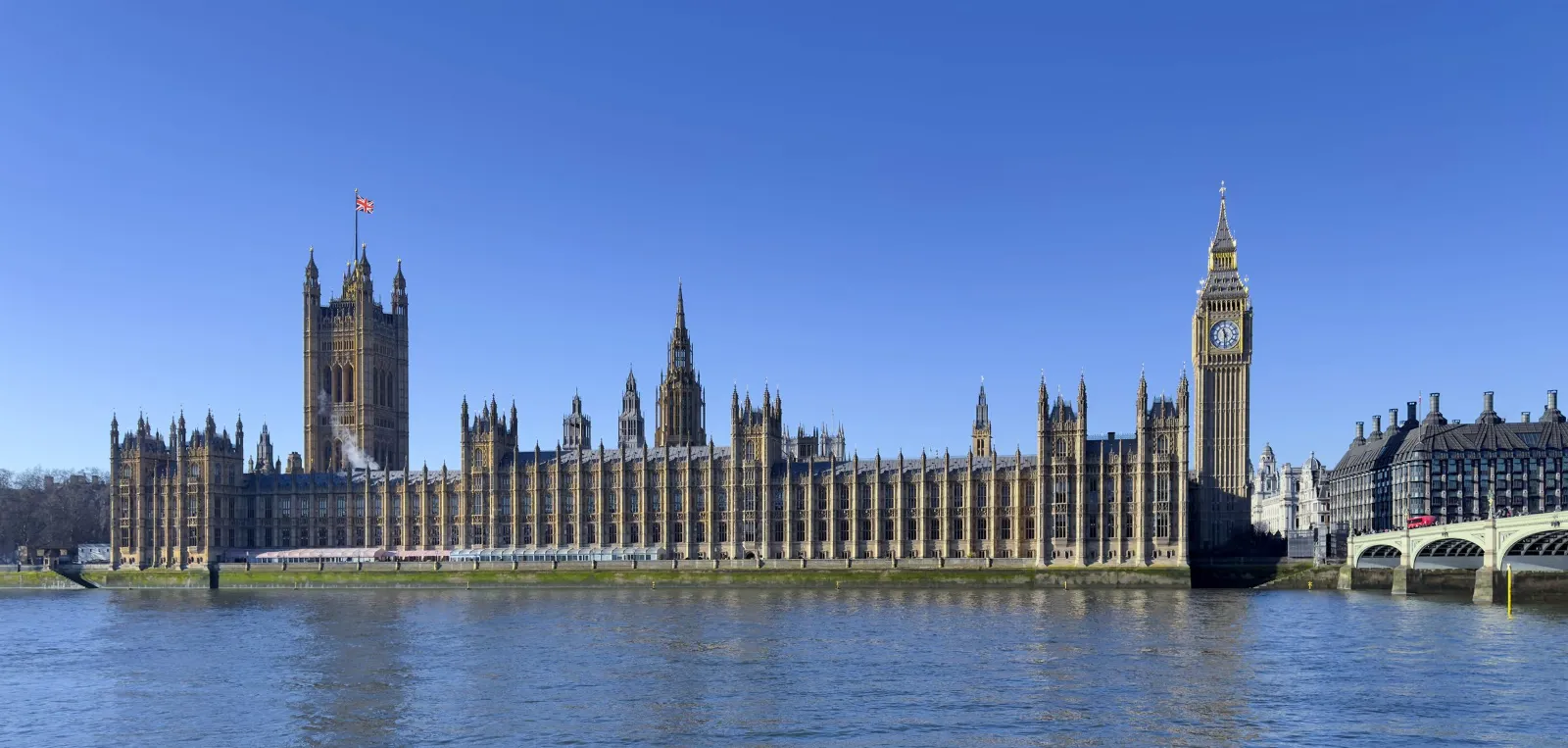
The government introduced the Energy Independence Bill to Parliament on Wednesday 4 November 2026, and it puts energy brokers under Ofgem regulation for the first time. Brokers and price comparison services will have to be authorised by Ofgem, follow its rules and answer to it when things go wrong. The government estimates the change could save businesses more than £100 million a year in mis-selling and hidden commissions. Nothing changes for your contract today: the Bill has to pass through Parliament first, and Ofgem then has to build the rules.
We’ve been following Ofgem’s plans to regulate energy brokers since the government first set them out in October 2025. These rules will apply to us too, and we welcome them. We’re proud to sit on Ofgem’s TPI working group, where we meet Ofgem regularly and help shape how brokers like us will be regulated.
What is changing?
Brokers like us, and comparison sites, are what the industry calls third-party intermediaries, or TPIs. We sit between you and the energy suppliers, helping you find and sign a contract. Unlike suppliers, we’ve never had a regulator of our own.
Mortgage and insurance brokers, stockbrokers and pensions advisers all answer to a regulator. In the government’s words, energy TPIs are “one of the last comparable markets without a direct oversight body”. Energy brokers, us included, are about to join them.
Ofgem wrote to brokers on the same day. The new powers cover anyone who gives advice or makes arrangements to help a household or business sign a gas or electricity supply contract. The Bill as introduced also covers advice on ending a supply contract, and arranging group purchasing, where several customers’ demand is pooled to buy energy together (Schedule 5). It covers gas and electricity in England, Wales and Scotland only, so business water and Northern Ireland sit outside it. The powers include:
- Authorisation: every TPI will have to register with Ofgem through a process Ofgem will design. The government’s October 2025 plan said this would include checks that the people running a firm are “fit and proper”, paid for through annual fees from regulated firms. Under section 56 of the Bill, providing these services without authorisation, or an exemption, will be a criminal offence.
- A public register: Ofgem must publish a record of every authorised broker and the services it’s authorised to provide. Claiming to be authorised when you’re not will be an offence (sections 61 and 62).
- Unauthorised deals: a contract arranged by an unauthorised broker can’t be enforced by that broker. The customer can get back money they paid and claim compensation, unless a court decides it’s fair to let the deal stand (section 57).
- Rules and enforcement: Ofgem can set rules, ask for information, monitor brokers, investigate them and take enforcement action when they break the rules.
- Fines, compensation and bans: the government says Ofgem will be able to order compensation, fine brokers and ban rogue operators from the market.
- Somewhere to complain: Ofgem will appoint and approve redress providers for TPI disputes. A redress provider is an independent body, like an ombudsman, that settles complaints without going to court. Citizens Advice will also become the consumer advocate for broker customers (section 69).
Why now?
It comes down to commission and pressure selling. The government says a “small minority” of TPIs exploit customers through pressure selling and “high rates of commission”, and it points at the way the market works: brokers are usually paid by commission, and suppliers decide who can see their prices. The government says that can create situations where “the most profitable decision can be directly opposed to the best interest of consumers”.
There’s a gap in protection too. When things go wrong today, customers don’t get Ofgem’s complaint handling standards, and only some businesses can take a dispute to an independent body instead of court.
For small businesses, the government says regulation will end “unwanted cold calls, high pressure sales, and hidden, excessive rates of commission”. Its impact assessment puts the saving for small businesses at more than £300 million over the next decade. That sits alongside the £100 million a year figure in its announcement; the government hasn’t explained how the two estimates relate, so we’ve given you both.
When will it happen?
Not yet. Here’s where it stands:
- 4 November 2026: the Bill was introduced in the House of Commons (its first reading), the formal start of its journey through Parliament.
- Next: a second reading, the first full debate. Parliament’s record of the Bill doesn’t show a date yet.
- 10 December 2026: Ofgem holds its next TPI forum, where it will share what it has found since its call for input closed earlier this year. A government representative will explain the Bill.
- Royal Assent: the point when the Bill becomes law. Ofgem says its new powers only take effect once that happens, and it plans to have its rules ready to finalise as soon as it does. The Bill itself leaves the start of broker authorisation to a date the Secretary of State sets by regulations (section 185), so it won’t necessarily begin the day the Bill becomes law.
- After that: Ofgem opens registration. The government’s October 2025 plan allows a 12 to 18 month “sunrise period” for every TPI to register. Once it ends, a broker without Ofgem authorisation has to stop arranging energy contracts.
Nobody has published a date for Royal Assent or for authorisation to start.
What else is in the Bill for businesses?
TPI regulation is one part of a much bigger Bill. Other measures that touch business energy include:
- A stronger Ofgem: wider duties and tougher enforcement powers against suppliers, including over bosses’ bonuses when customers are let down.
- Export charges: powers to remove charges on electricity you store and send back to the grid, helping businesses with batteries and vehicle-to-grid charging, where an electric vehicle sends power back.
- Landlord standards: stronger powers for councils to enforce energy efficiency rules in rented business premises as well as homes.
- Market rules: targeted powers to update electricity market rules, network charging and trading arrangements.
What does this mean for your business?
You don’t need to do anything today, and no contract you’ve already signed changes. But it’s a good moment to ask your broker some straight questions:
- How is my broker paid? The government says brokers are usually paid by commission. Ask how much is built into the unit rate you’ll pay, and get it in writing before you sign.
- Which suppliers did my broker ask for prices? The government notes that suppliers decide who can see their prices, so it’s worth knowing where your quotes came from.
- Will my broker be authorised by Ofgem? Once registration opens, Ofgem must publish a record of authorised brokers, so you’ll be able to check any broker, us included.
- Who do I complain to if something goes wrong? If your broker can’t tell you, that’s worth knowing before you sign.
Our take is simple: it’s regulation we welcome. It’s aimed at exactly the things a good broker should already be doing, and Energy UK, the energy industry’s trade body, said businesses will benefit from “a crackdown on rogue brokers, giving them confidence that the advice they get from intermediaries can be trusted”.
We didn’t need a Bill to tell us how to treat our customers. As a business energy broker, here’s how we already work:
- Commission in writing: you don’t pay us a separate fee. We’re paid commission by the supplier, included in your contract rates, and we disclose it in full, in writing, before a contract is signed.
- You stay in control: ours is a level 1 Letter of Authority (LOA), so we can help with your contracts, bills and supplier queries, but only you can agree a contract.
- Somewhere to turn: we’re members of an alternative dispute resolution scheme with the Energy Ombudsman. We’re also members of the Energy Consultants Association (ECA), our trade association.
- A voice with the regulator: we sit on the Ofgem TPI working group and meet them regularly, so we’re helping shape the rules rather than waiting for them.
In the meantime, we’ll keep doing what we always do. We always advise arranging your next contract as early as possible, normally 12 months before your renewal date, so you can take advantage of forward pricing rather than the short-notice prices on offer when a renewal is left to the last month or two. We compare prices from suitable suppliers and present the options that best suit your business.
Talk to our energy experts
Got questions about how your current contract was arranged, or what you’re paying in commission? Book an appointment with our Energy Team, get a quote, or call us on 01273 914000. You’ll get straightforward advice from energy experts who are outstanding in their field.