The rain has come back, but the drought hasn’t ended, and the restrictions that would reach businesses are still being lined up. Wessex Water has applied for a ban on non-essential water use by businesses, the Swindon Advertiser reported on 6 November 2026. On Friday 13 November, South East Water applied for a new drought permit to refill Arlington Reservoir in East Sussex, and objections closed on Friday 20 November 2026. No decision had been published when we checked on 21 November 2026. No business ban is in force yet. If your business uses a hosepipe or a vehicle wash, this is the time to check where you’d stand.
What is a non-essential use ban?
A hosepipe ban applies to households. A non-essential use ban is the next step, and it applies to businesses and other non-household customers. A water company has to apply to the government for one.
The Swindon Advertiser’s report of Wessex Water’s application lists what could be restricted:
- watering outdoor plants with a hosepipe
- filling or maintaining swimming pools, paddling pools and ponds
- cleaning commercial premises and windows with a hosepipe
- cleaning vehicles, boats, aircraft and railway rolling stock with a hosepipe
- operating mechanical vehicle washers
- cleaning industrial plant, or damping down dust, with a hosepipe
- running a cistern in an unoccupied, closed building.
There would be exemptions where water is needed for commercial activity, health and safety, animal welfare or environmental reasons. Wessex Water has also asked for extra exemptions for small businesses, charities and not-for-profit organisations.
Where does each company stand?
Wessex Water. It has applied to the Environment Agency and Defra for a non-essential use ban as, in its words, a precaution that could be brought in quickly if conditions get worse. A spokesperson said the decision had “not been made lightly”, and that it “will take some time for our reservoir and groundwater levels to replenish back to where they should be”. Its household hosepipe ban has been in place since 18 August.
South East Water. It applied in October for a non-essential use ban in Sussex. The BBC reported on 3 November that the application “is still being considered” by Defra, and that the company called it precautionary. Douglas Whitfield, its water supply director, said “the immediate pressure to introduce additional restrictions is reducing”. Its hosepipe restrictions stay and are reviewed weekly.
South West Water and Southern Water. The government said on 20 October that applications for non-essential use bans from both, along with South East Water’s, were with the Environment Secretary.
Thames Water. No business ban has been applied for in the reports we read. Its household hosepipe ban, in place since 26 August, is staying, with Farmoor Reservoir near Oxford 76% full. We covered that in our story on Thames Water passing 100 days of drought.
What is South East Water’s new drought permit?
A drought permit lets a water company temporarily change the rules on how much water it takes from rivers. South East Water wants to lower the minimum flow that must stay in the River Cuckmere, so it can pump more into Arlington Reservoir over the winter.
- Why: the company says the area around Arlington has had 59% of its expected rainfall across September, October and early November. The Argus reports the reservoir stood at 40.5% of capacity.
- Applied: Friday 13 November 2026.
- Objections closed: Friday 20 November 2026. The Environment Agency’s reference for the application is NPS/DP/260053.
- Now: the Environment Agency reviews the application and any objections, and decides.
It’s the company’s second drought permit application in Sussex this year. The first, for Ardingly Reservoir, was granted on 29 September.
How bad is the drought?
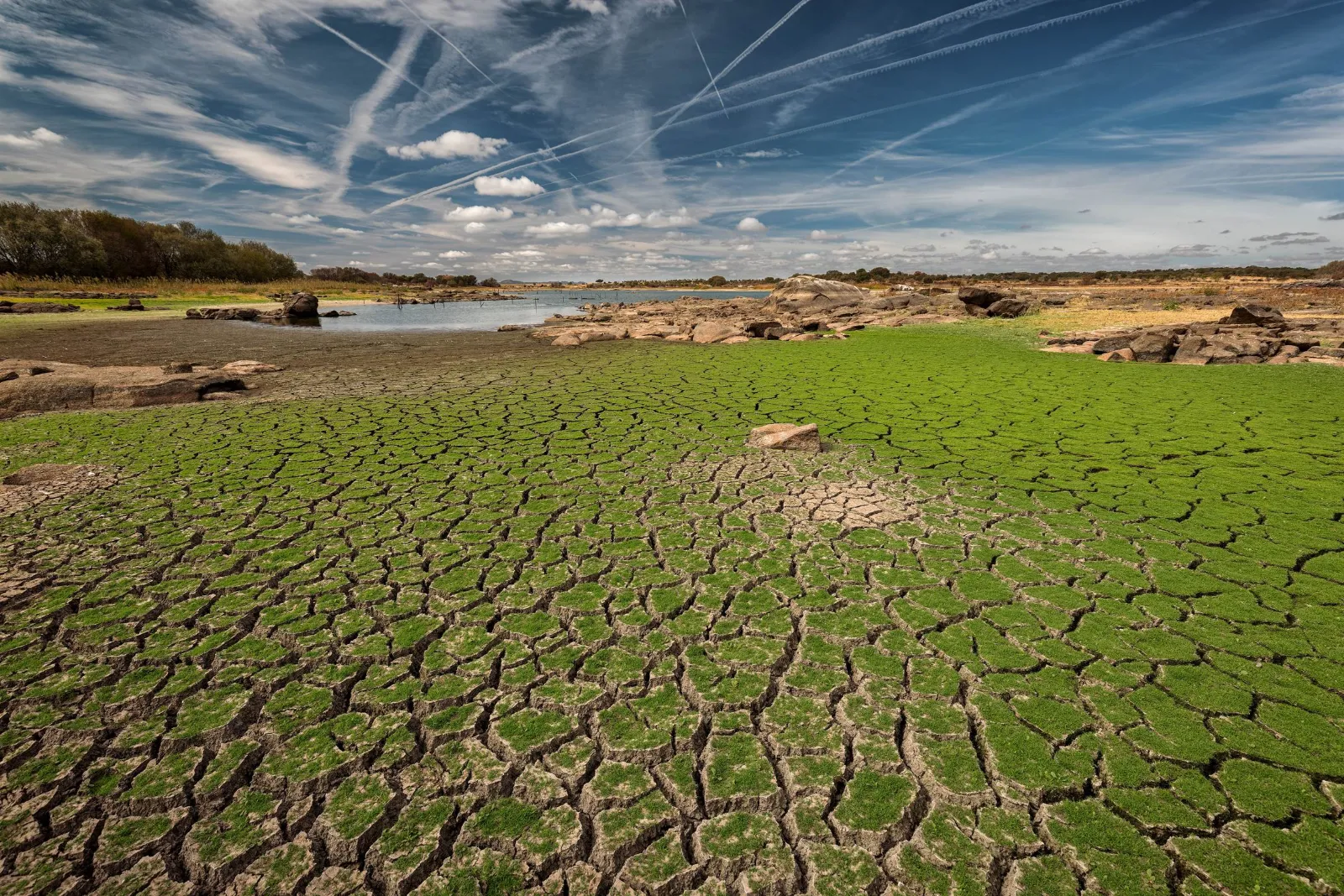
On the government’s account, the South East and South West had their driest April to September in more than a century. Severe drought was declared in October in parts of Cornwall, Devon, Dorset, Somerset, East Sussex and West Sussex.
The Environment Agency has said England needs at least 120% of average rainfall over the six months from October to be out of drought by the start of spring. Its chief executive, Philip Duffy, said: “The rain is welcome, but the drought is far from over.”
The joint regulators’ report we covered in our story on South East Water’s supply interruptions explains why the company is under closer watch than most.
What does this mean for your business?
- Find out which water company’s area you’re in. Restrictions follow the regional water company that owns the pipes, not the retailer that sends your bill.
- List what you use a hosepipe or vehicle wash for. If a ban comes in, those are the uses it reaches first. Car washes, window cleaners, garden centres, builders and fleet operators should check now which exemptions might cover them.
- If you’re a small business in Wessex Water’s area: the company has asked for extra exemptions for you, but they haven’t been confirmed.
- Near the Cuckmere? The window to object to the Arlington permit closed on Friday 20 November 2026, and the decision now sits with the Environment Agency.
- Cut what you use anyway. In a drought it protects supply, and it’s water you don’t pay for. Start with leaks and with a meter reading you can trust. Our guide to drought and hosepipe bans for UK businesses has more, and our business water team can check your account.
We’ll report any non-essential use ban as soon as one is approved.
Talk to our water experts
Not sure which water company serves your premises, or how a ban would apply to you? Book an appointment with our team, get a quote, or call us on 01273 914000.