


How data centres are shaping future energy costs
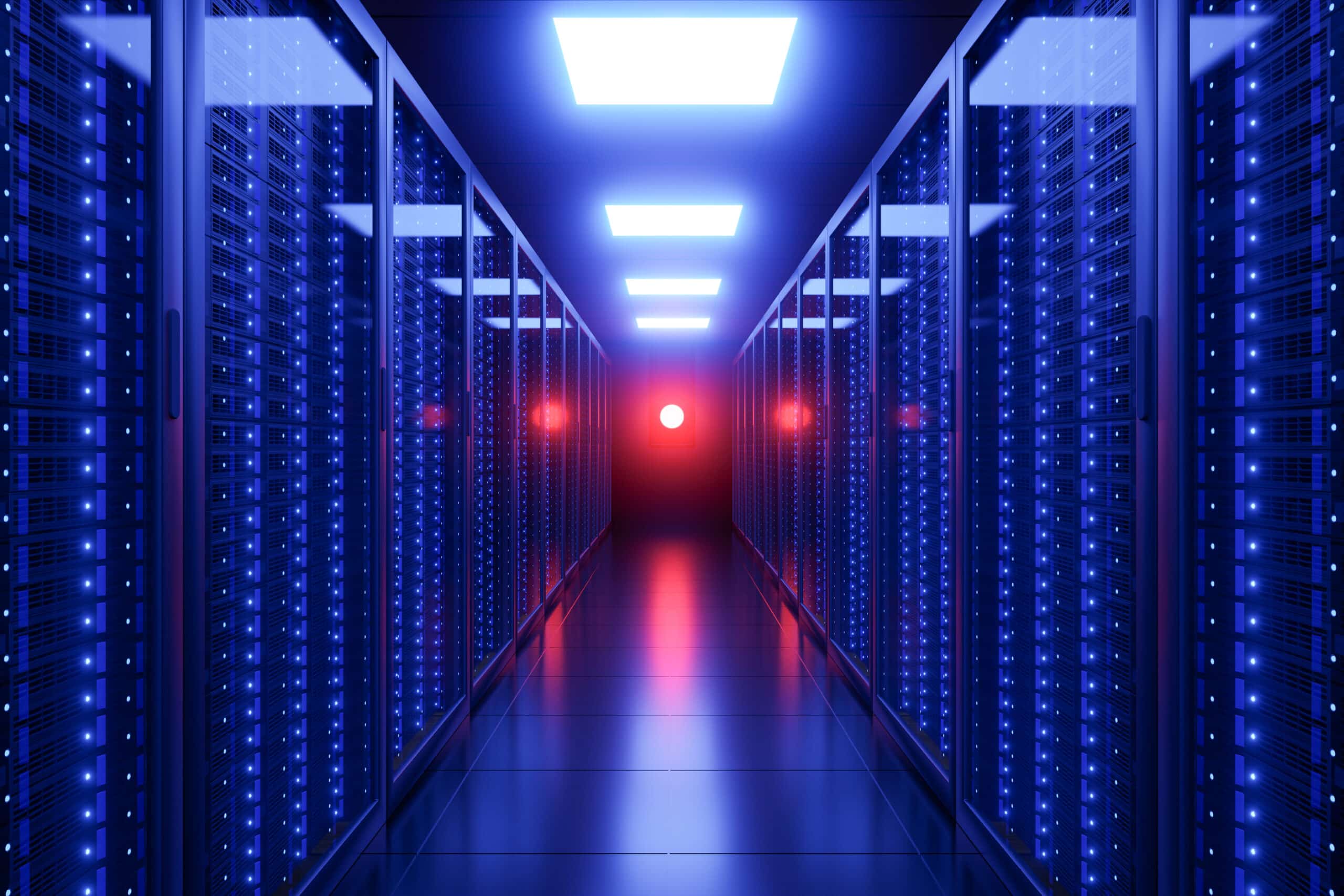
UK Data centres – huge, windowless warehouses packed with powerful computer servers – are at the heart of Britain’s digital economy, powering everything from online banking and Netflix to AI and social media.
Demand for data and AI is driving an unprecedented construction boom: the UK’s data centre count (already around 477) is set to jump by about 20% – nearly 100 new sites – in the next five years. More than half of these will cluster around London, with dozens more in Wales, Manchester, Newcastle, and beyond. Major tech firms are investing heavily: Google is spending £740m on a new Hertfordshire site, Microsoft plans four UK centres at £330m, and Blackstone is planning a £10bn AI data complex in Blyth.
These giant “digital factories” consume enormous amounts of energy and water. A modern data centre can require hundreds of megawatts of power (ten times more than a decade ago) and vast cooling systems.
Experts warn this growth will strain utilities. In the US, households in some areas have already seen bills rise because of new data centres. UK projections are also concerning: the National Energy System Operator estimates the UK data centre boom could add 71 terawatt hours of demand over the next 25 years – roughly doubling the sector’s current energy use – which underlines the urgent need for more clean power. Water is also at a premium, with some facilities using millions of litres every year to keep servers cool.
Implications for Businesses
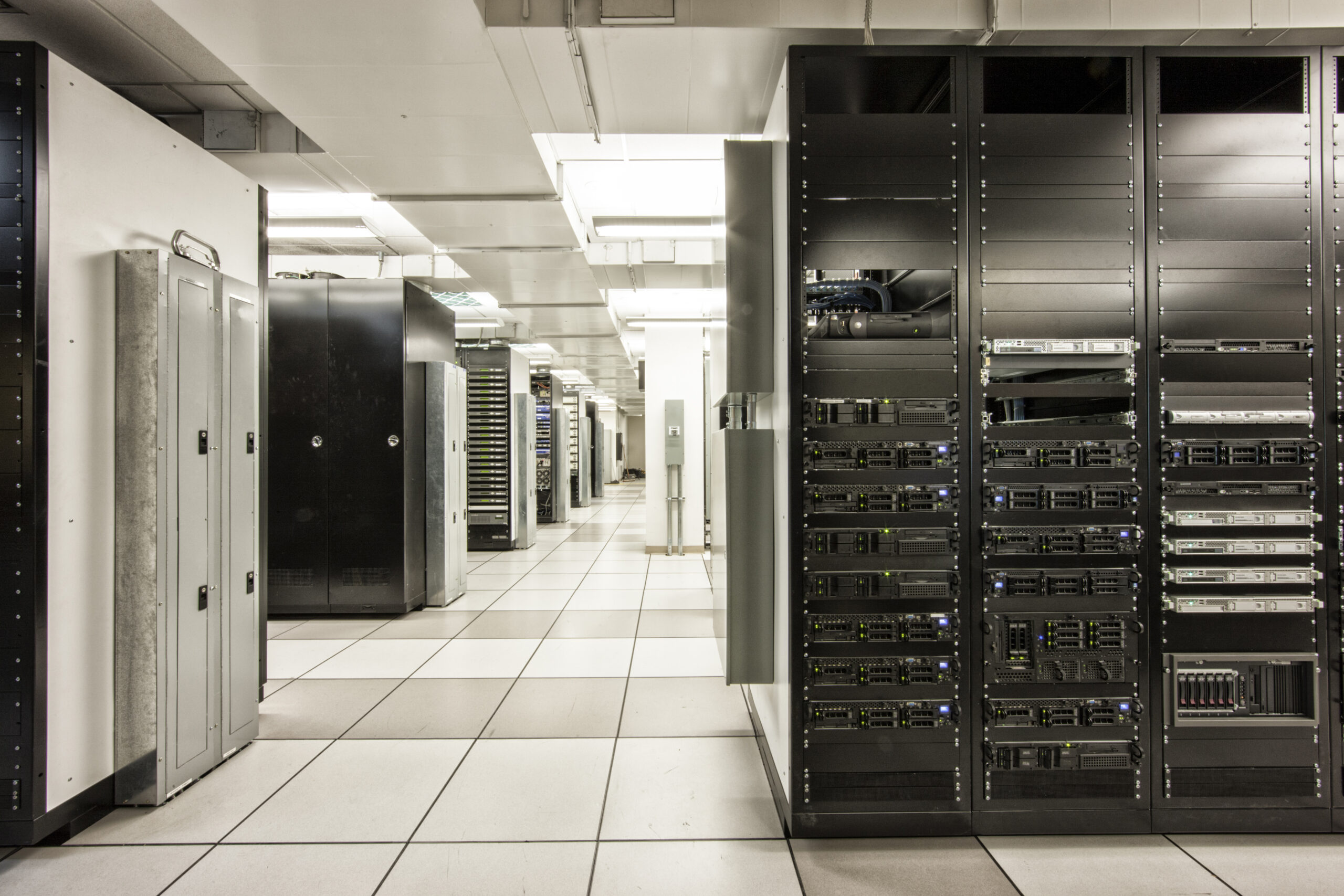
Current estimates put 477 UK data centres in operation, with almost 100 new ones planned by 2030. These centres mainly serve tech firms, cloud storage, streaming and emerging AI. They bring some economic perks such as construction jobs, local investment and business rates, and they improve digital performance for UK businesses. But long-term jobs are few – often only around 20 staff per site – and the environmental footprint is huge. Non-renewable energy use, e-waste generation and water consumption may all hinder the UK’s Net Zero ambitions.
As energy consultants, we advise companies to watch this trend closely. A surge in data centres can translate into higher local energy prices and tighter grid capacity. Firms – whether operating their own servers or simply sharing the grid – may face upward pressure on bills. To adapt, businesses should consider strategies like negotiating fixed energy contracts or exploring renewables. Black Sheep Utilities works with over 30 suppliers to build bespoke procurement plans, helping organisations factor in these extra loads when planning their energy strategy.

Balancing Costs and Sustainability
The UK government recognises data centres as “critical national infrastructure” – vital for AI, fintech and the digital economy. It has set up an AI Energy Council and promised major power and water investments to keep up. Some local schemes even recycle waste heat from data halls to warm homes. But environmental concerns persist. In Ireland, new data centre projects have been halted after existing ones grew to consume nearly one fifth of the country’s power. In the UK, residents have opposed certain projects due to their impact on greenbelt land and water supplies.
Some operators are responding with more sustainable approaches. For example, Google’s new Hertfordshire centre plans to use air cooling instead of water. Businesses should watch for such innovations, as they may shape future energy and utility markets. It is also possible that new rules could emerge linking data centre projects to clean energy supply or introducing levies to offset their impact.
AI’s Upside: Helping, Not Just Costing
Despite these challenges, AI – the very driver of new data centre demand – also brings clear benefits. It is already helping organisations work smarter, cutting admin time and unlocking efficiency gains across industries. Black Sheep Support recently explored how AI is being used in healthcare, where transcription tools are saving doctors countless hours of paperwork and giving them more time with patients. For businesses, AI can support faster data analysis, predictive maintenance, and even smarter energy management. In this sense, investment in AI infrastructure isn’t just an expense – it enables tools that boost productivity and innovation.
Key Takeaways for Businesses
-
Data centre growth = more demand: Nearly 100 new UK data centres are expected by 2030, driving significant increases in power and water usage.
-
Watch your energy bills: Local data centres can push up utility prices. Black Sheep Utilities helps businesses plan ahead and secure competitive rates.
-
Sustainability matters: Many data centres aim for renewables and dry-cooling, but resource strain is real. Weigh green energy deals or efficiency projects now.
-
AI delivers productivity: AI tools like AI-assisted documentation can reclaim staff time and improve efficiency.
-
Leverage expert help:Black Sheep Utilities supports businesses of all sizes with tailored procurement strategies, including bespoke solutions for high-consumption sites.
Plan Ahead with Black Sheep Utilities
The rapid growth of UK data centres and rising energy demand makes it more important than ever for businesses to have a clear utility strategy. Whether you’re managing high-consumption sites or looking to optimise energy costs, Black Sheep Utilities can provide tailored guidance and bespoke procurement solutions.
Don’t wait until your bills rise – get ahead today. Contact us to discuss your business’s energy and water needs, and book an appointment with one of our experts to create a plan that works for you.
GET IN CONTACT WITH US
How are UK data centres affecting business utility costs?
UK data centres consume large amounts of electricity and water, which can strain local grids and increase utility costs for nearby businesses. Companies should plan energy procurement accordingly.
Why is the number of UK data centres increasing?
The demand for AI, cloud services, and digital infrastructure is driving the UK data centre boom, with nearly 100 new sites planned by 2030 to support faster data processing and emerging technologies.
Can businesses reduce the impact of data centres on their utility bills?
Businesses can manage the impact of data centres on utility costs by planning ahead. Black Sheep Utilities helps companies secure competitive energy and water contracts, build bespoke procurement plans, and factor in rising local demand to keep costs under control.
How is AI benefiting businesses despite higher data centre demand?
AI improves efficiency across industries, from automating admin tasks to supporting predictive maintenance and smarter energy management. Investment in AI infrastructure can boost productivity rather than just increasing costs.
Are UK data centres implementing sustainable practices?
Many new UK data centres are adopting renewable energy, dry-cooling, and heat recycling to reduce environmental impact. These measures can help businesses and communities manage utility demands more sustainably.