



The UK’s push toward a greener energy future is picking up pace, with a record-breaking 172,000 certified installations of solar panels, battery storage systems, and heat pumps completed in the first half of 2025—up 37% compared to the same period last year. This surge reflects the ongoing growth of UK renewables across homes and businesses.
The latest data from the Microgeneration Certification Scheme (MCS) highlights that households are rapidly embracing small-scale renewable technologies to reduce bills and cut carbon. Leading the charge: solar PV, electric heat pumps, and battery storage.
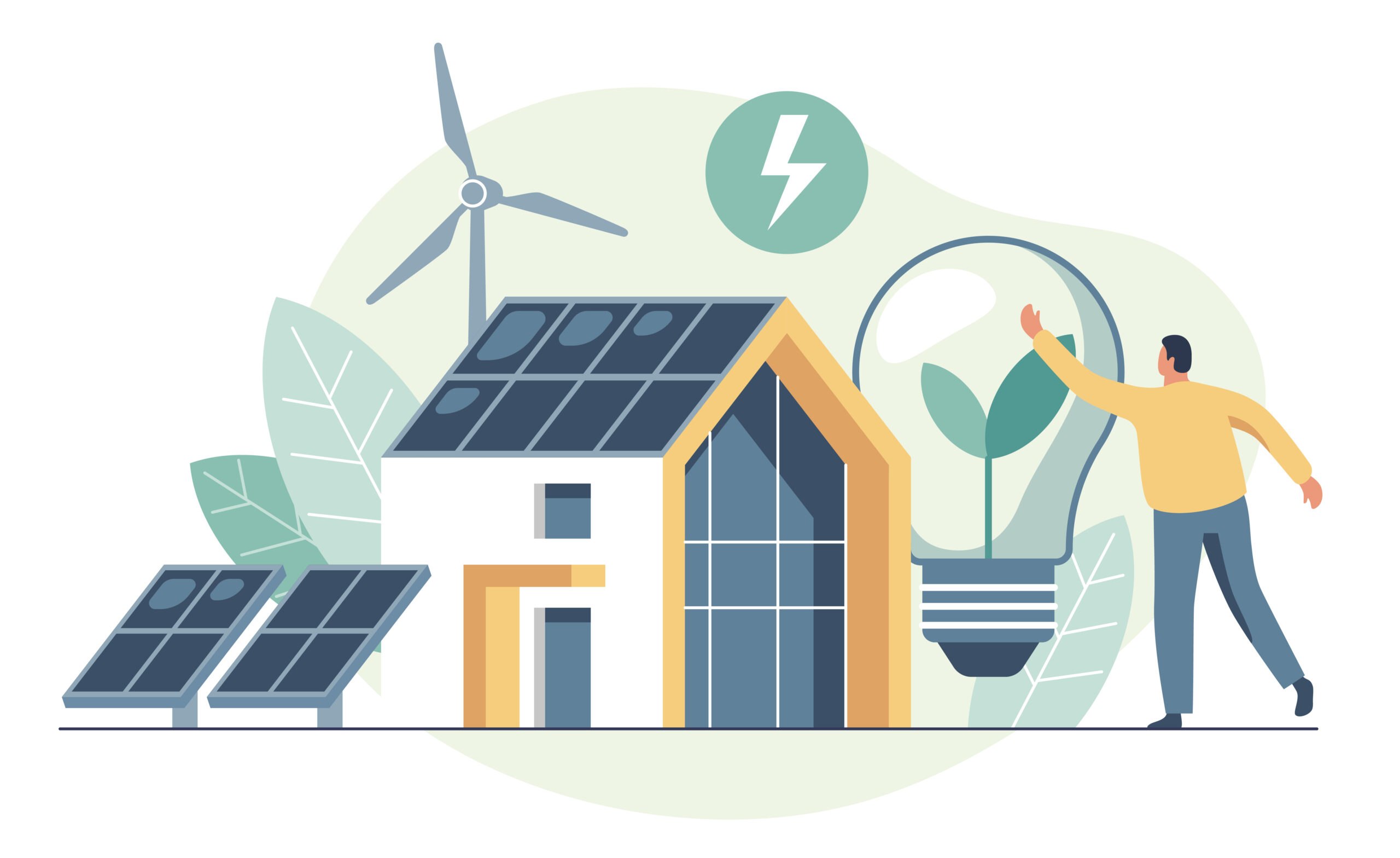
Solar and Storage Lead the Charge
Solar panels remain the most popular choice, with 123,000 certified installations completed between January and June—a new record, surpassing the previous high set in 2012. With rising energy prices and growing concerns over climate change, more households are turning to solar to generate clean, free electricity on-site.
Battery installations have also more than doubled, jumping from 8,000 in early 2024 to over 18,000 in 2025. These systems allow users to store excess solar energy or draw power from the grid during cheaper off-peak hours—making them a smart companion to solar setups and a key tool for cutting long-term energy costs.
Heat Pumps and Newbuild Momentum
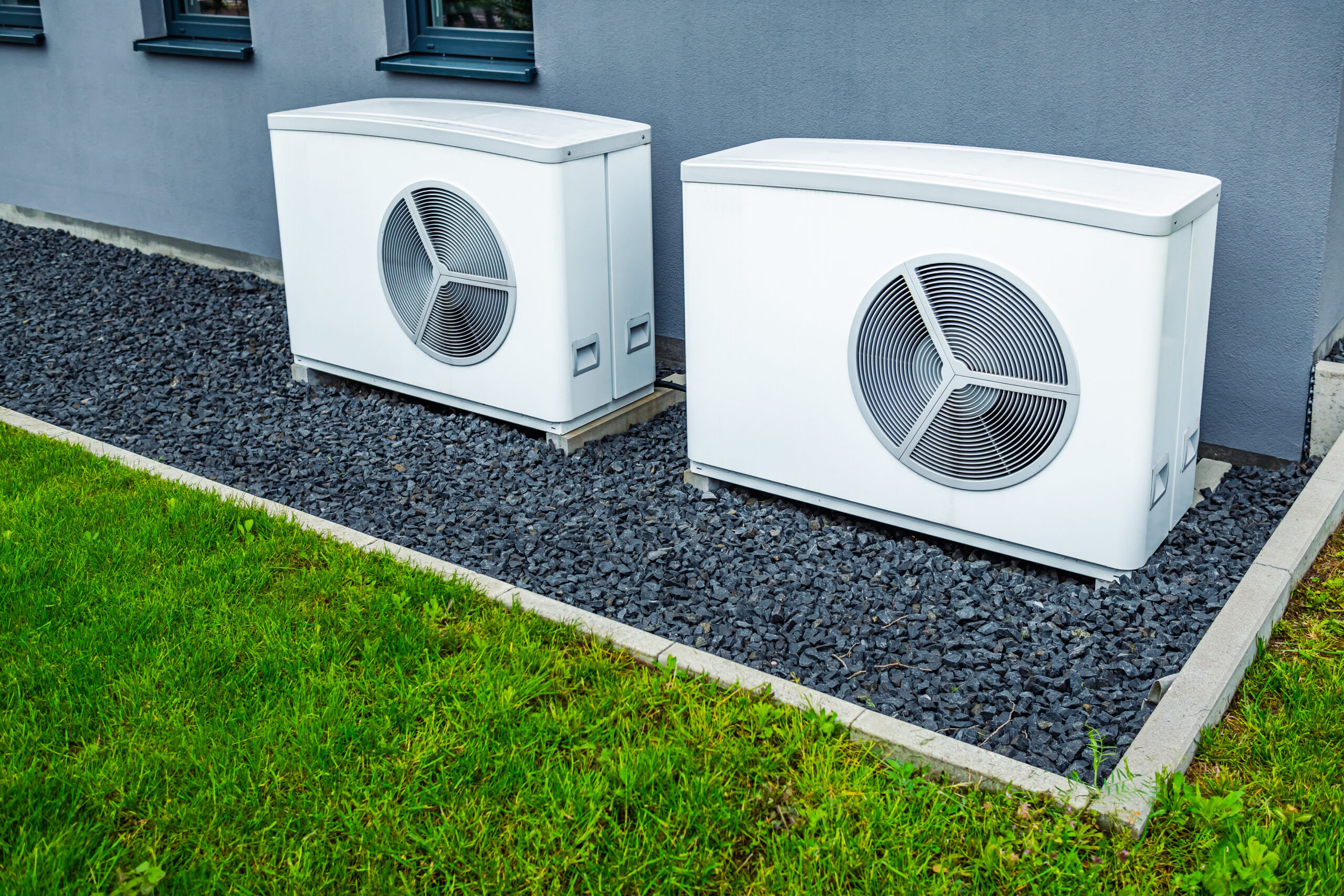
The first half of 2025 also saw 30,000 new heat pump installations, a 12% increase on the previous year. These low-carbon systems use electricity to extract heat from the air or ground and are quickly becoming a preferred alternative to gas boilers, especially as government incentives—such as the £7,500 grant—make them more accessible.
Newbuild properties accounted for nearly 28% of all renewable installations, up from 21% last year. With the Future Homes Standard coming into force in 2027 (mandating low-carbon heating and solar in all new homes), it’s clear the UK is laying the groundwork for a lower-carbon housing stock.
Support and Installer Readiness
Much of this growth is being fuelled by generous government incentives, particularly for heat pumps. Between January and March, around three-quarters of installations were either fully or partially supported by government funding.
Just as importantly, the number of MCS-certified installers is at an all-time high—enabling high-quality installations at scale, and giving households more confidence in making the switch.
As MCS chief executive Ian Rippin puts it:
“Across all renewable technologies, we are seeing a dramatic rise in installations, helping reduce energy bills and cut emissions.”
What This Means for Businesses
While this surge is largely focused on domestic installations, the benefits of renewables extend just as strongly to businesses.
From cutting operational costs to boosting energy independence and ESG credentials, solar panels, battery storage and low-carbon heating can all play a major role in improving your business’s bottom line and sustainability impact.
Whether you’re looking to make better use of rooftop space, prepare for future energy regulations, or reduce exposure to volatile energy markets, our team can help you explore the right technologies for your needs.
Got questions? Ready to explore renewables for your business?
Get in touch with Black Sheep Utilities today. We’ll guide you through the process and help you make the smartest choice for your site, sector, and strategy.
GET IN CONTACT WITH US
What is driving the rise in solar panel installations in the UK in 2025?
The surge in solar panel installations is largely driven by rising energy costs, increased environmental awareness, and government support schemes. Between January and June 2025, over 123,000 certified solar systems were installed in UK homes—a new record for the first half of any year—as more households seek to cut electricity bills and generate clean, independent power.
Are UK businesses eligible for solar panel and battery storage installations?
Yes, businesses in the UK can absolutely install solar panels and battery storage systems. Commercial properties with available roof space can significantly cut electricity costs, improve energy resilience, and meet sustainability targets. Black Sheep Utilities helps businesses assess the feasibility, cost, and ROI of renewable energy installations.
What government grants are available for heat pump installations in 2025 — and do they apply to businesses?
The UK government currently offers a £7,500 grant for homeowners through the Boiler Upgrade Scheme to support the installation of low-carbon heat pumps. While this scheme is aimed at domestic properties, businesses may be eligible for alternative funding or tax incentives, depending on property type and usage.
Organisations may also benefit from capital allowances, business rates relief, and decarbonisation funding schemes aimed at reducing carbon emissions from commercial buildings. At Black Sheep Utilities, we can help identify the most relevant financial support available for your business and assist with planning a cost-effective transition to low-carbon heating.
Why should businesses consider battery storage alongside solar panels?
Battery storage allows businesses to store surplus solar power for use during peak hours or outages, reducing dependency on the grid. In 2025, battery storage installations more than doubled, highlighting their growing value. Combining solar with storage helps businesses lock in energy savings and reduce exposure to market volatility.
How can I get started with renewable energy for my business?
Start by speaking to an independent energy broker like Black Sheep Utilities. While we don’t install systems ourselves, we can connect your business with trusted, accredited suppliers and help you compare quotes to find the best deal on solar panels, battery storage, or low-carbon heating.