


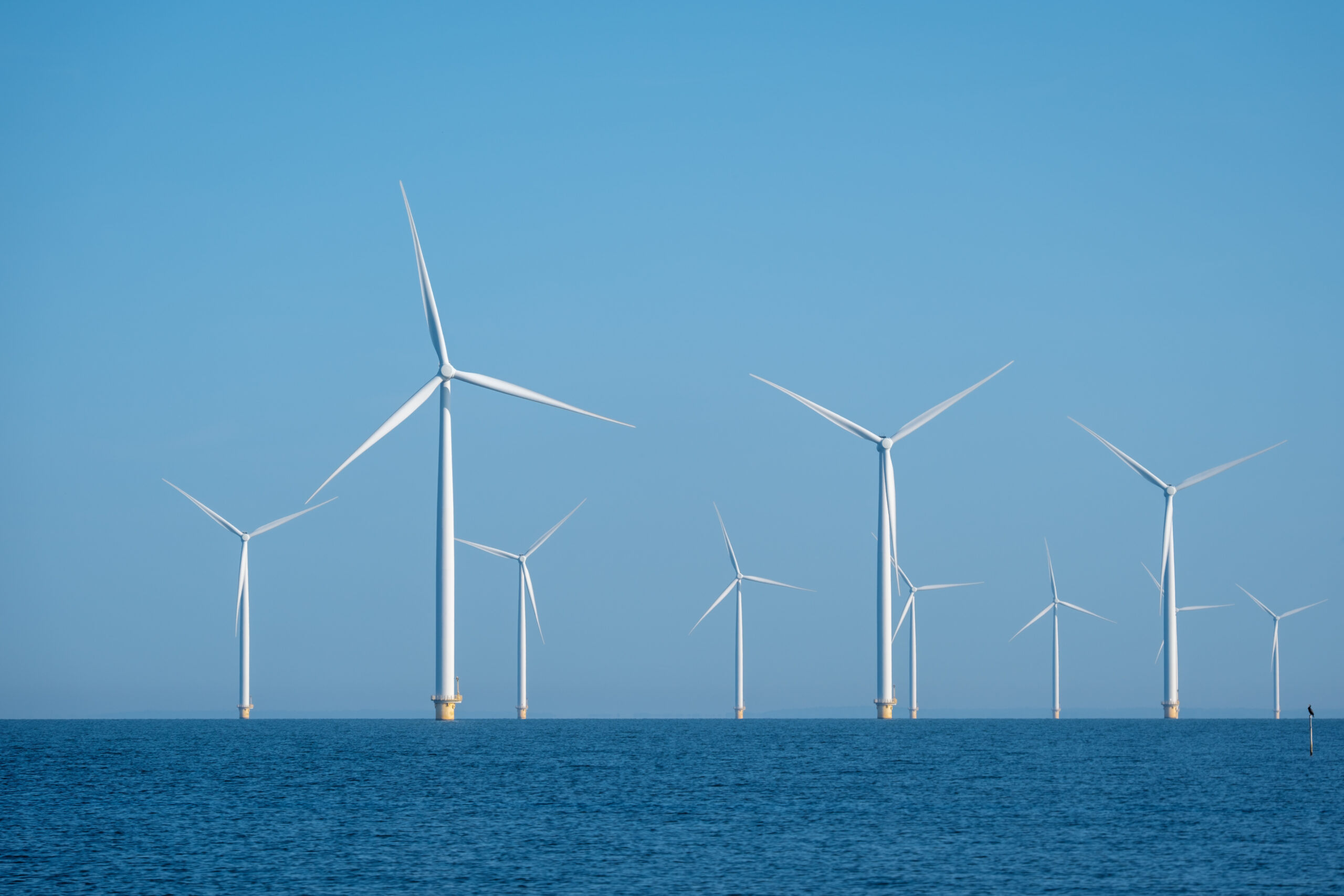
The Scottish Government has officially granted consent for SSE Renewables’ Berwick Bank project, marking a major milestone in the UK’s transition to clean energy. This new offshore wind farm, located around 38 kilometres off the East Lothian coast, is set to become the largest of its kind anywhere in the world.
Once fully operational, Berwick Bank could generate enough clean electricity to power more than six million homes each year. The project not only supports Scotland’s net zero goals, but also reinforces the UK’s commitment to securing long-term, homegrown power.
Powering Progress: Economic and Environmental Benefits
The Berwick Bank offshore wind farm is expected to inject £8.3 billion into the UK economy over its lifetime, while creating around 9,300 jobs at peak construction. Nearly half of these will be based in Scotland, offering significant opportunities for skilled employment and regional development.

A Decade in the Making
This approval follows more than ten years of careful planning and development. The Section 36 consent now granted by ministers covers the main offshore wind array in the outer Firth of Forth, removing the final regulatory hurdle before construction can begin.
SSE Renewables must now secure a Contract for Difference (CfD) through the UK Government’s upcoming allocation round, followed by a final investment decision.
Supporting the UK’s Clean Power Mission
Once complete, the offshore wind farm will boost Scotland’s existing renewable electricity capacity by nearly 25 percent. It also plays a critical role in the UK Government’s Clean Power 2030 plan, which aims to increase offshore wind capacity to 50GW within the next five years.
Stephen Wheeler, Managing Director of SSE Renewables, said:
“At over 4GW of potential capacity, Berwick Bank can play a pivotal role in meeting the UK’s climate goals and accelerating the delivery of affordable, secure clean energy.”
Tracking the UK’s Clean Energy Momentum
The green light for Berwick Bank is just one of several major steps the UK is taking toward a more sustainable energy future. At Black Sheep Utilities, we’ve also reported on other significant developments shaping the UK’s energy landscape.
We recently covered the construction of the Grimsby solar farm, one of the largest of its kind in northern England. This project highlights the increasing role of solar power in complementing wind energy and reducing pressure on the grid during peak daylight hours.
We’ve also written about the approval of Sizewell C, the UK’s next major nuclear power station. While not renewable, nuclear offers stable baseload power, making it a key part of the low-carbon mix as the country moves away from fossil fuels.
From offshore wind farms like Berwick Bank, to solar and nuclear projects, the UK’s energy system is undergoing a rapid transformation — and we’re here to help businesses stay informed and ready to adapt.
What It Means for UK Businesses
At Black Sheep Utilities, we closely monitor major infrastructure developments like Berwick Bank. Large-scale projects such as this offshore wind farm are essential to stabilising long-term energy prices, reducing reliance on fossil fuels, and giving businesses more control over their utilities.
As the UK moves towards a greener and more resilient energy system, we’re here to help organisations understand how it impacts their operations and bottom line.
Want to explore how renewable energy trends could affect your energy costs? Contact Black Sheep Utilities today for expert advice tailored to your business.
GET IN CONTACT WITH US
What is the Berwick Bank offshore wind farm?
The Berwick Bank offshore wind farm is a major renewable energy project being developed by SSE Renewables. Located approximately 38 kilometres off the East Lothian coast in Scotland, it is set to become the world’s largest offshore wind farm once fully operational.
How much electricity will Berwick Bank generate?
At full capacity, the Berwick Bank offshore wind farm will generate up to 4.1GW of clean electricity. This is enough to power more than six million UK homes annually, significantly boosting the nation’s renewable energy supply.
Why is Berwick Bank important for the UK’s energy future?
Berwick Bank supports the UK’s Clean Power 2030 mission and Scotland’s net zero goals. It will enhance energy security by reducing reliance on imported fossil fuels and increase the country’s offshore wind capacity by nearly 25 percent.
How many jobs will Berwick Bank create?
The project is expected to create around 9,300 direct, indirect, and induced jobs at peak construction, with approximately 4,650 of those in Scotland. It also has the potential to inject £8.3 billion into the UK economy over its lifetime.
When will the Berwick Bank offshore wind farm be completed?
Now that consent has been granted, the project must secure a Contract for Difference (CfD) and reach a final investment decision before construction begins. While no fixed completion date has been announced, Berwick Bank is a key part of the UK’s 2030 energy strategy.