
Under Pressure: The UK’s Water Challenges
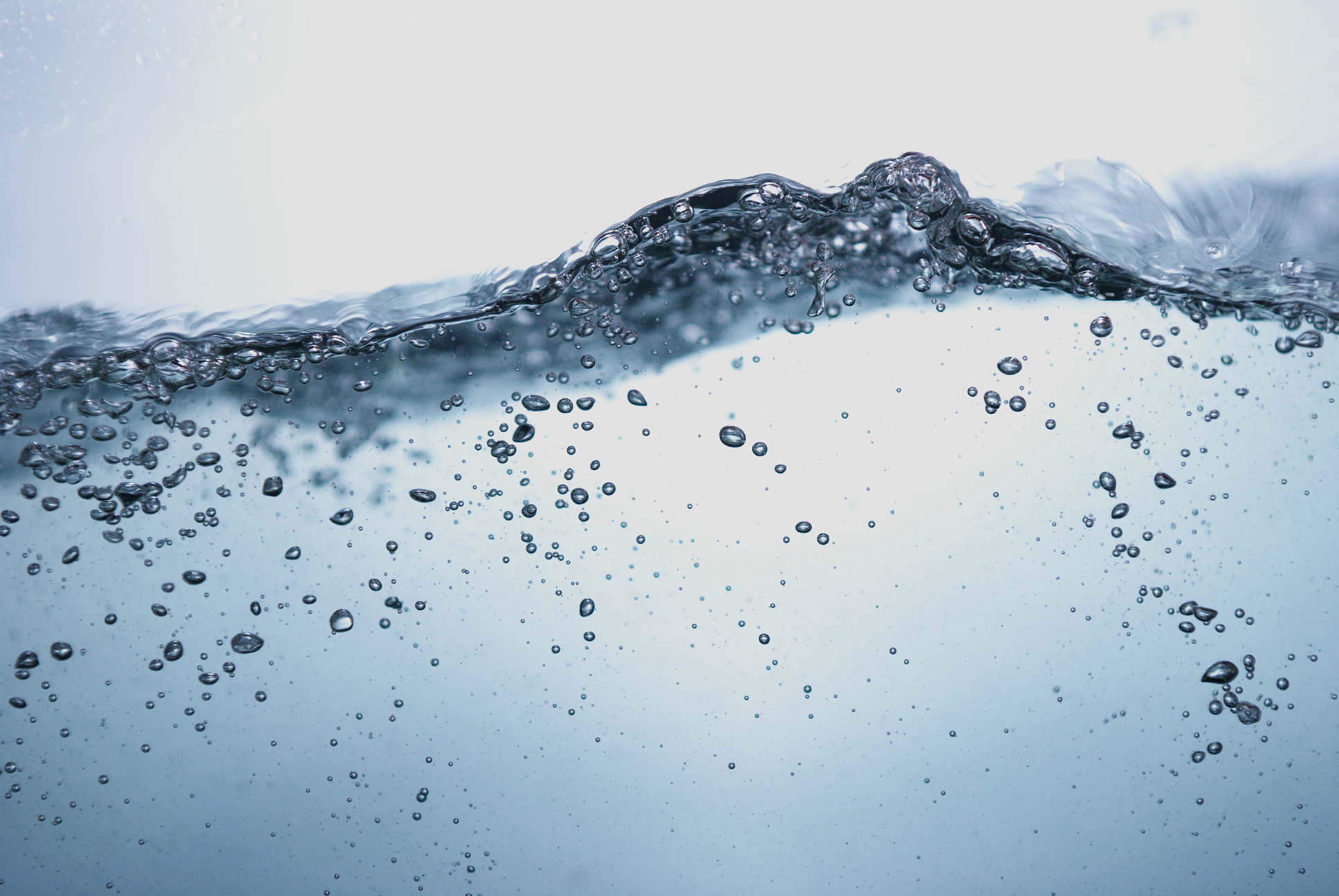
Across England, water levels have plunged. By June 2025, reservoirs were the lowest they’ve been in ten years. This squeeze reflects an exceptionally dry, hot spring: the UK saw its driest spring since 1893 and warmest June on record. With rains scarce, rivers and aquifers are depleted. Scientists warn climate change is making such extreme droughts more frequent. In effect, demand (from hot weather and outdoor watering) has far outstripped supply.
Current Hosepipe Bans in the UK
Nearly 7 million people – over 10% of England’s population – are now under official hosepipe bans. Water companies have imposed Temporary Use Bans to cut usage, meaning homes and businesses alike cannot use hoses for lawns, cars, windows or pools. In mid-July 2025, the following bans were in force:
-
Yorkshire Water (Yorkshire) – Ban in effect from 11 July. Yorkshire had a record-dry spring and reservoirs there are only around 56% full.
-
South East Water (Kent & Sussex) – Ban from 18 July, covering about 1.4 million customers. Demand hit record highs before the ban was announced.
-
Southern Water (Hampshire & Isle of Wight) – Ban from 21 July for around 1 million customers.
-
Thames Water (parts of Thames Valley) – Ban from 22 July in parts of Oxfordshire, Wiltshire, Gloucestershire and Berkshire, affecting around 1.1 million people.
These restrictions forbid any non-essential hose use (watering lawns, washing cars or patios, filling pools, etc.). They are designed to immediately cut consumption – experts estimate that bans can reduce daily usage by a few percent. Some water companies report that even with bans, usage only drops 3–7%, but public awareness does improve.
Impact on Farmers and Agriculture
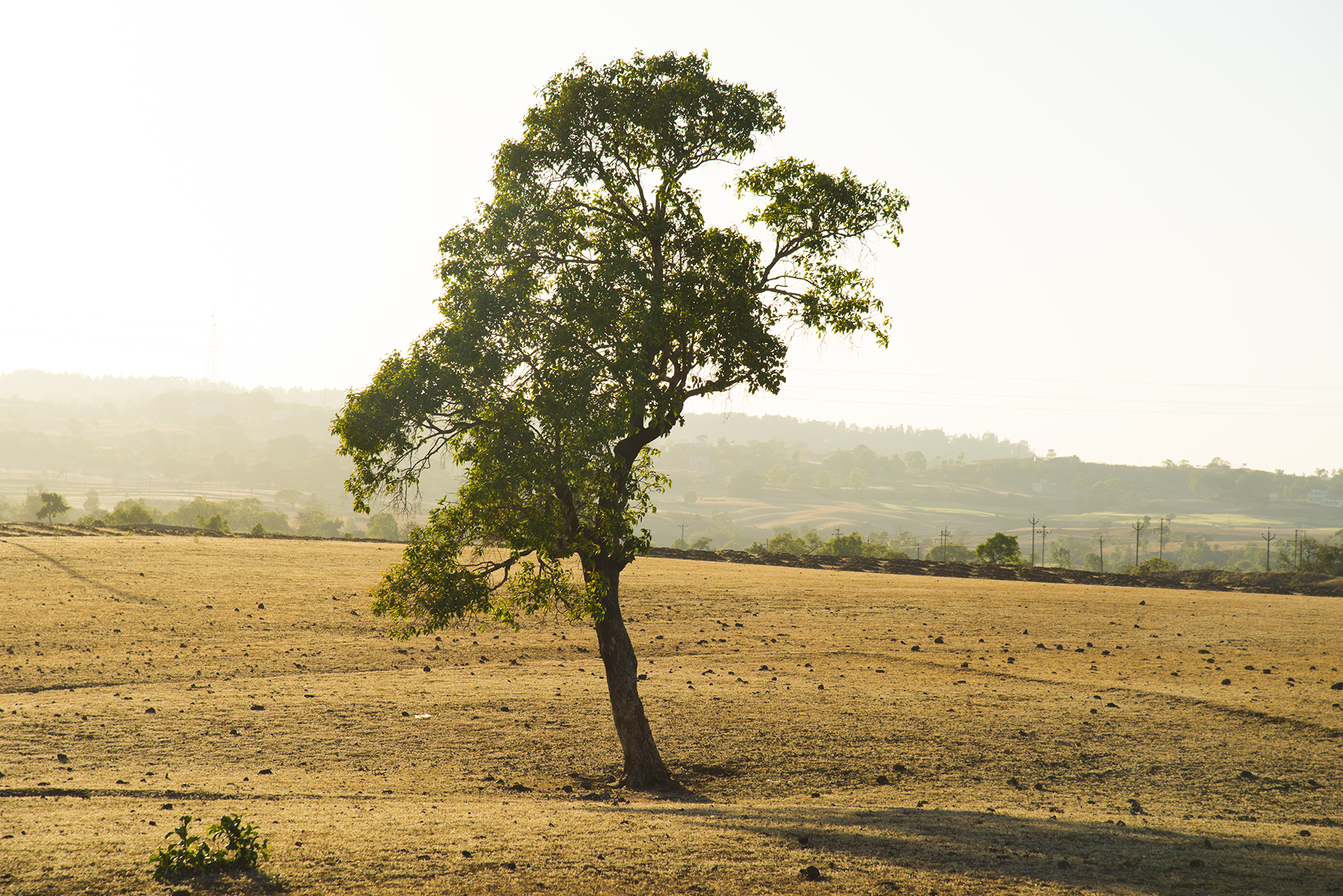
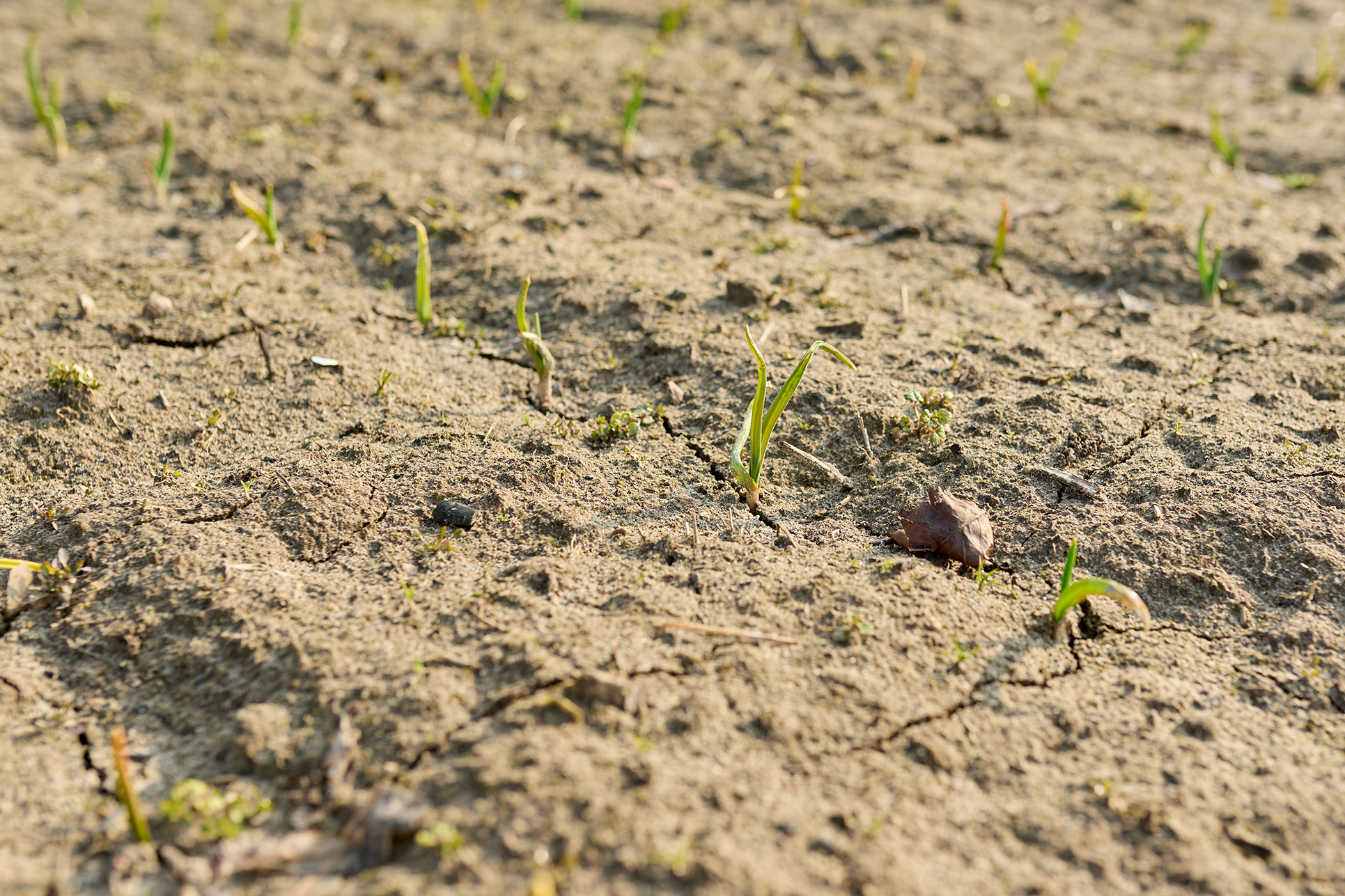
Agriculture is being hit hard. Many crops are already failing under the dry spring. Farmers in the driest areas began irrigation earlier than normal, but abstraction bans on rivers mean water is still scarce. In East Anglia, for example, rainfall has been extremely low and groundwater depleted. Yet with no ban on household water use there, farmers are forced to struggle under tight rules. The National Farmers Union warns that the situation is risking food production. Livestock farmers are also concerned: poor grass growth could mean feed shortages by autumn.
Key agricultural impacts include:
-
Crops turning brown and yields falling as soils dry out.
-
Irrigation being restricted by new abstraction rules (even without a formal hosepipe ban).
-
Risk of significant harvest losses if substantial rain does not fall soon.
The Environment Agency is working with farming groups to manage this crisis, offering guidance and reviewing abstraction licences. However, the short-term reality is that farm operations may suffer.
Impact on Businesses and Communities
Hosepipe bans apply to all mains water users in affected areas — but many commercial operations are exempt, particularly where water use is essential for business continuity. This means sectors like professional car washing, plant nurseries, and landscaping may continue operating under specific conditions outlined by local water companies.
That said, businesses are still feeling the effects of the broader drought in other ways:
Indirect Operational Strain
-
While not directly banned, businesses may be asked to reduce usage voluntarily, especially in public-facing sectors.
-
Water companies and regulators are encouraging all users to cut non-essential consumption to avoid more serious restrictions down the line.
-
High-usage sectors like manufacturing, hospitality, or construction are reviewing water efficiency measures and backup plans.
Supply Chain and Cost Pressures
-
Farmers and food producers are being hit hard, which may disrupt supply chains for wholesalers, caterers, and supermarkets.
-
Drought conditions are expected to increase the cost of agricultural products, landscaping materials, and even bottled water.
-
Businesses that depend on agricultural output — such as food manufacturers, restaurants, or retailers — may see delayed deliveries, quality issues, or higher prices.
Reputational and ESG Considerations
-
During droughts, public awareness and scrutiny increases. Businesses seen to be using water irresponsibly may suffer reputational damage.
-
Many firms are now highlighting efforts to reduce water use as part of broader sustainability and ESG strategies.
While commercial users may not face direct restrictions yet, worsening drought conditions could change that. Water companies have warned that if reservoirs continue to drop, more severe measures — including non-domestic restrictions or drought permits — could follow.
What This Means for Your Business
The UK’s water crisis is real and growing. Even if your area is not yet under a ban, conditions could change quickly as reservoirs stay low. Businesses should check their water usage and plans now. This might mean assessing which operations would be hit by restrictions, fixing leaks, or exploring alternative sources for non-potable use. Every business will need a tailored approach based on their water use and operational risks – and that’s where expert guidance becomes essential.
At Black Sheep Utilities, we specialise in helping companies navigate these challenges. Our experts can discuss your situation – whether it’s reviewing your water supply contracts, or improving efficiency – to keep you running through this drought. Book a callback with us and let’s talk about securing your operations.
In summary, UK businesses and farmers are facing one of the worst water shortages in years, with wide-ranging effects. The situation is evolving daily, and having expert advice on tap can make all the difference. Get in touch if you have any concerns – our team is ready to help you prepare for and respond to these water restrictions.
GET IN CONTACT WITH US
Why are there hosepipe bans in the UK right now?
Hosepipe bans have been introduced due to prolonged dry weather, low reservoir levels, and increased demand. Water companies are using restrictions to help conserve supplies during the ongoing drought.
Which areas of the UK are affected by hosepipe bans?
As of July 2025, regions under bans include parts of Yorkshire, Kent, Sussex, Hampshire, the Isle of Wight, and the Thames Valley. More areas may follow if dry conditions persist.
How is the drought affecting UK farmers?
Farmers are struggling with poor crop yields, limited irrigation, and restricted water abstraction. The ongoing dry weather is threatening food production and increasing operational costs.
What challenges are UK businesses facing due to water shortages?
Businesses relying on outdoor water use—like car washes, landscaping, or nurseries—are seeing operational disruption. Others are reviewing contingency plans as supply risks grow.
How can Black Sheep Utilities help my business during water restrictions?
Black Sheep Utilities can help your business review water contracts, explore alternative solutions, and prepare for future restrictions. Book a callback to get tailored advice and support.